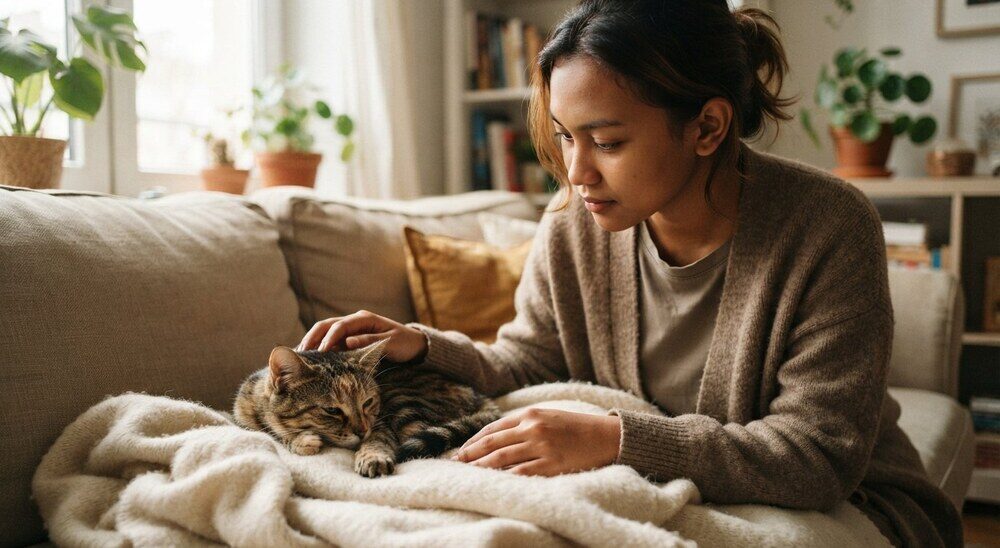
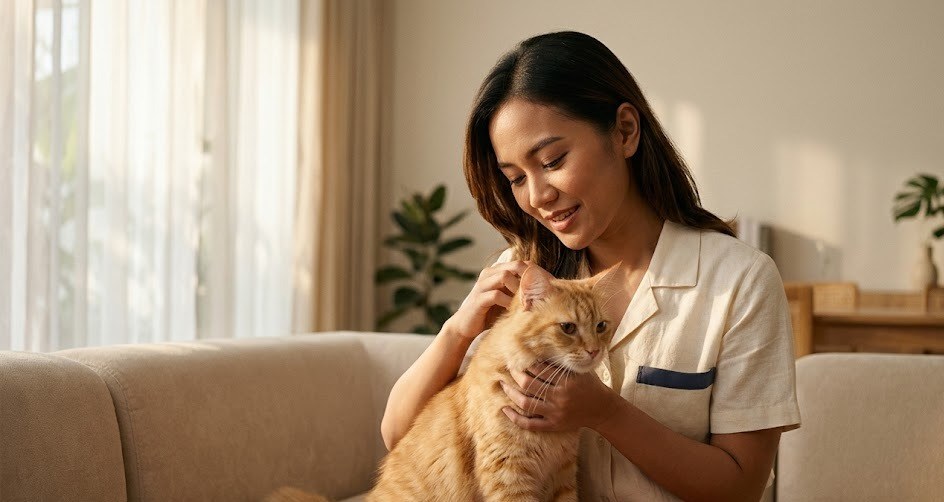
In short: for a healthy pet, a salon groom is perfectly fine. But when the skin is inflamed, the pet is already senior, or it panics and turns aggressive when handled, grooming becomes a medical matter rather than just a trim and a nice-smelling bath. Forcing an ordinary groom in these situations risks worsening skin disease, missing a hidden wound, injuring the pet, or straining the heart and breathing of an older animal. At that point, grooming is safer in the hands of a vet who can assess its health at the same time. If you are unsure which category your pet falls into, message Dr. Prabasa on WhatsApp for an initial consultation.
You take your pet to the salon so it comes home clean, fresh, and comfortable. Sometimes the opposite happens: the skin looks redder, there is a raw patch, the pet is traumatised and hides all day, or it turns out there was a lump hidden under the coat all along. A groom that should have been soothing becomes a source of stress and new problems. This article helps you tell a routine groom that is safe at a salon apart from grooming that belongs in a vet's hands.
Ordinary salon vs grooming that needs a vet
Salon grooming is essentially cosmetic: bathing, drying, brushing, trimming the coat and nails, cleaning the outer ears. For a healthy pet, this is a pleasant routine that keeps it comfortable.
What is different is when there is a medical condition beneath that coat, or when the grooming process itself is risky for the pet. Inflamed skin, an older animal with painful joints and a heart that needs protecting, or a pet so frightened it could injure itself and the handler, all call for assessment and handling that an ordinary salon does not have. This is where grooming needs to be seen as part of health care, not just appearance.
Safe home-grooming tips
For a healthy, calm pet, there is a lot you can gently do yourself:
- Brush regularly, do not wait for mats. A few minutes of daily brushing for long coats stops tangles from turning into hard mats. Brush in the direction the fur grows, slowly, and stop if the pet becomes uncomfortable.
- Bathe as needed, not too often. Bathing too frequently can dry out the skin and disturb its protective layer. A healthy cat usually does not need frequent baths because it grooms itself diligently. Use lukewarm water and a pet-specific product, not human shampoo.
- Dry the coat completely, especially in skin folds, between the toes, and at the base of the ears. Trapped moisture makes fungal growth and irritation easier.
- Trim nails a little at a time and avoid the pink area inside the nail that holds a blood vessel. When in doubt, trim just the tips more often.
- Turn grooming into a body check. While brushing, gently feel over the whole body for lumps, crusts, bald patches, or spots that seem painful. Also look at the ears, eyes, gums, and paw pads.
- Keep the experience positive. Short sessions, a calm setting, and a break when the pet gets restless are far better than one long, forced session.
If you find something unusual on the skin while brushing, stop grooming and take a closer look first. Some findings are better checked through a home skin examination before you continue with a bath.
When grooming needs a vet
1. The skin is having problems
This is the most common reason. If any of these signs are present, an ordinary salon bath is not the answer:
- Constant itching, frequent scratching, licking, or chewing at one area.
- Redness, a rash, scabs, or a moist, smelly patch in one spot (often called a hot spot).
- Excessive hair loss to the point of thinning or bald patches.
- Thick dandruff, greasy skin, or an unusual smell even after a recent bath.
- Visible fleas, ticks, or mites, especially in large numbers.
Skin problems such as bacterial or fungal infection, allergy, or parasites need to be diagnosed first, then treated appropriately. Bathing without knowing the cause can mask symptoms temporarily, spread the infection, or irritate already-broken skin further. If a medicated bath is genuinely needed, the type and method should follow a vet's guidance based on the skin's condition, not just a general product at the salon.
2. There is a wound, a lump, or severe matting
An open wound, thick crust, or a newly appeared lump needs to be assessed before any grooming tool touches that area. Mats, or hard clumps of tangled fur, are also more than a cosmetic issue: they can pull on the skin, restrict circulation, trap moisture and dirt, and hide a wound or parasites underneath. A mat that is stuck tight to the skin must not be pulled or forced through with a brush, because it can tear the skin. This usually needs careful clipping, often safer with a vet's assessment, especially if the skin beneath is already irritated.
3. The pet is senior or has a health condition
Older pets often have painful joints, a heart or kidneys that need protecting, and bodies that are more sensitive to temperature and stress. Standing for a long time, water that is too cold or too hot, and a drying process that makes them anxious can all be hard on them. The same is true for pets with a history of heart disease or breathing problems. For them, grooming needs to be shorter, gentler, and ideally supervised by someone who can monitor their condition. You can read more about senior-age needs in our guide to caring for senior cats and dogs.
4. The pet is aggressive or very frightened
Some pets panic so badly when handled, sprayed with water, or exposed to the sound of a dryer that they may scratch, bite, thrash violently, or hurt themselves. Forcing restraint in these situations is dangerous for both the pet and the handler, and it often deepens the fear so that future grooming becomes even harder. In cases like this, handling needs to take the pet's stress level into account. If sedation is genuinely needed, it must be considered and supervised by a vet, not simply forced. The goal is to keep the pet safe and to keep the experience from adding to the trauma.
5. Severe stress or medical signs during grooming
Stop the process and seek help if, during or after grooming, the pet shows very fast or laboured breathing, bluish gums or tongue, weakness, severe shaking that does not settle, or signs of significant pain. These are not just fussiness, and in a senior or unwell pet they can become an emergency.
Why grooming plus a health check at home makes sense
For a pet with skin problems, advancing age, or a tendency to stress, combining grooming with a health check at home solves two things at once. The pet avoids a journey that makes it tense, is groomed in a place it knows, and at the same time the vet can assess the skin, joints, teeth, and signs of disease that are often only spotted when the fur is parted. Dr. Prabasa can come for a calm home grooming visit and check its health at the same time, and if something needs following up, you get the advice right there.
Closing
Good grooming is not only about a neat, fresh result, but also about being safe and comfortable for your pet. If your pet is healthy and relaxed, a routine salon is enough. But once there is a skin problem, advancing age, or excessive fear, grooming is better in hands that can look after its health at the same time. If you want to help your pet stay clean without drama and without risk, message Dr. Prabasa on WhatsApp to book a home grooming plus health check across Greater Jakarta. The initial consultation is free, and if your pet is better handled at a clinic with full equipment, we will tell you honestly.