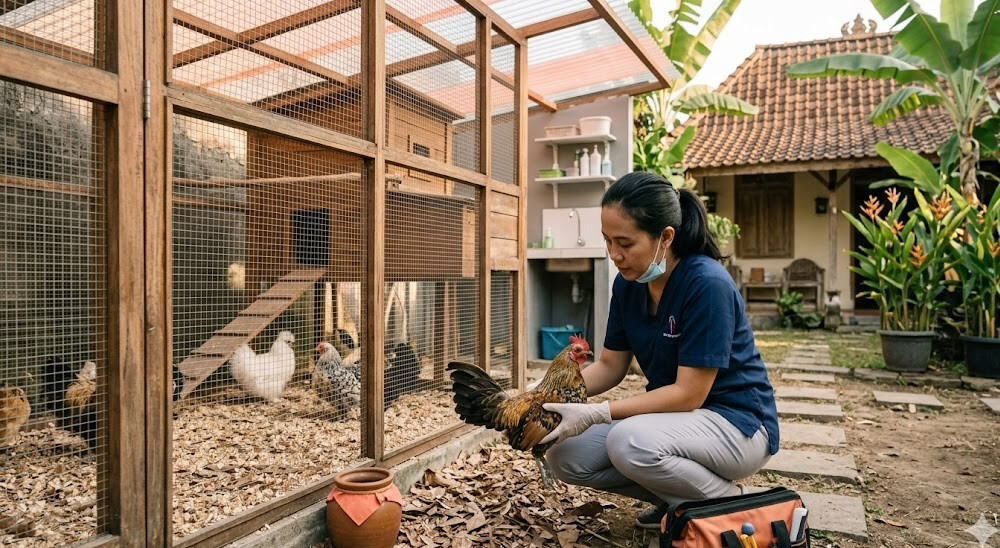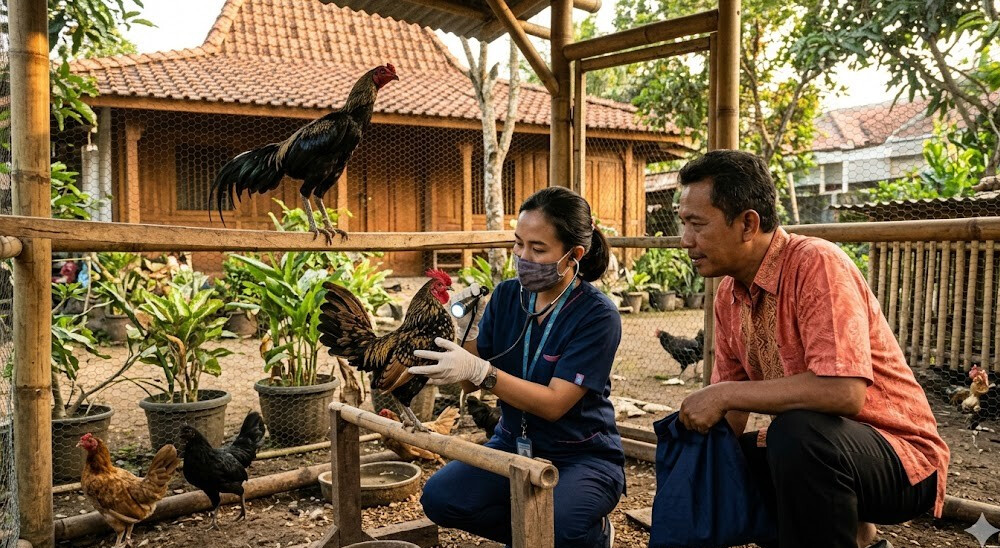

Appetite is one of the fastest-changing indicators of a chicken\'s health when something is wrong. A chicken that usually rushes over when feed is scattered, then suddenly ignores it, is almost always giving a signal. This article discusses what can make a chicken refuse food, the signs to watch for, and the safe steps you can take, especially in show chickens and pet poultry.
Appetite as a Sign, Not a Diagnosis
It is important to understand that "won\'t eat" is a common symptom that can arise from many different conditions. A chicken\'s body that is unwell often suppresses appetite, just as in many other animals. Because it is so common, this symptom needs to be read together with other signs to understand the cause.
Some possible causes often considered include digestive trouble, infection, respiratory problems that make the chicken uncomfortable, problems with the beak or mouth, stress from environmental change or relocation, and deeper conditions only readable through examination.
Observing the Context Around the Symptom
When a chicken stops eating, the following questions help clarify the picture. Since when has the appetite dropped? Is it still drinking? What is the shape and colour of its droppings? Is its breathing noisy? Are there recent environmental changes like moving coops or extreme weather? Are other chickens affected too?
The answers to these often determine the direction of care more than the "won\'t eat" symptom itself. For example, a recently moved, stressed chicken has a different context from a chicken that won\'t eat while snoring with abnormal droppings.
Danger Signs to Watch For
Some conditions should not be delayed:
- The chicken refuses both food and water.
- Accompanied by lethargy, half-closed eyes, or withdrawing.
- Noisy breathing or opening its beak to breathe.
- Droppings that are very abnormal, bloody, or mucousy.
- Rapid weight loss or the chicken feeling light when lifted.
In small chickens like serama or in chicks, refusing food and water can take effect faster because their body reserves are limited, so the time window is narrower.
Ask the vet by your chicken type
Pick your chicken and a pre-filled WhatsApp chat opens so our team knows exactly which type it is.
Why You Should Not Force-Feed or Give Random Medicine
There is a temptation to immediately give vitamins, tonics, or antibiotics when a chicken stops eating. But giving medicine without knowing the cause risks masking symptoms and complicating examination. Force-feeding a very weak chicken can also be dangerous. The safer approach is to maintain the basics that carry no risk, namely warmth and clean water availability, then decide therapy after the cause is known.
Safe Steps You Can Take
While considering an examination, some safe things can be done. Make sure clean drinking water is always within reach, because keeping the chicken hydrated is often more urgent than eating. Place the chicken in a warm, quiet environment not exposed to direct draughts. Offer the food it usually likes without forcing. Separate it from other chickens if a contagious cause is suspected. Monitor the appetite and general condition over time.
If the chicken keeps refusing food and water, looks lethargic, or its condition declines, it is best to have it examined soon. You can describe the condition over WhatsApp first, then weigh together whether a coop visit is needed.
Frequently Asked Questions
My chicken won\'t eat, what medicine should I give?
Refusing food is a symptom with many causes, so there is no single medicine for all cases. It is safer to find the cause first through examination.
Which is more important, eating or drinking?
Keeping the chicken drinking and hydrated is often more urgent, especially in small chickens and chicks.
Can I force the chicken to eat?
Force-feeding a very weak chicken is risky. It is safer to offer favoured food and maintain water intake without forcing.
Can stress make a chicken refuse food?
Yes. Environmental change or relocation often lowers appetite temporarily, but it still needs watching if it continues.
When should it be examined immediately?
If the chicken refuses food and water, is lethargic, breathes noisily, or its droppings are very abnormal, do not delay.
Free Initial Consultation via WhatsApp
If your chicken has lost its appetite, start with a chat. The initial WhatsApp consultation is free. Contact us via WhatsApp and describe the symptoms, and we can decide the best step together.