
The short version: vaccinating at home and at a clinic are both valid and equally effective, as long as the vaccine is quality, the cold chain holds, and the technique is correct. Home vaccination wins for cats that get stressed in transit, multi-pet households, busy schedules, and routine boosters. A clinic wins when your pet needs full diagnostic equipment the same day (X-ray, ultrasound, on-site lab) or its fitness for vaccination is uncertain. Not sure which fits? Message the Prabasa vet team on WhatsApp to check the schedule and your pet's needs.
This question comes up every time annual boosters are due: is it better to have a vet come to your home, or take your pet to a clinic? Both have their place. This article helps you decide based on your pet and your situation, not to scare you off either option.
What matters most: vaccine quality, not the location
A vaccine's effectiveness is not determined by where it is injected, but by three things:
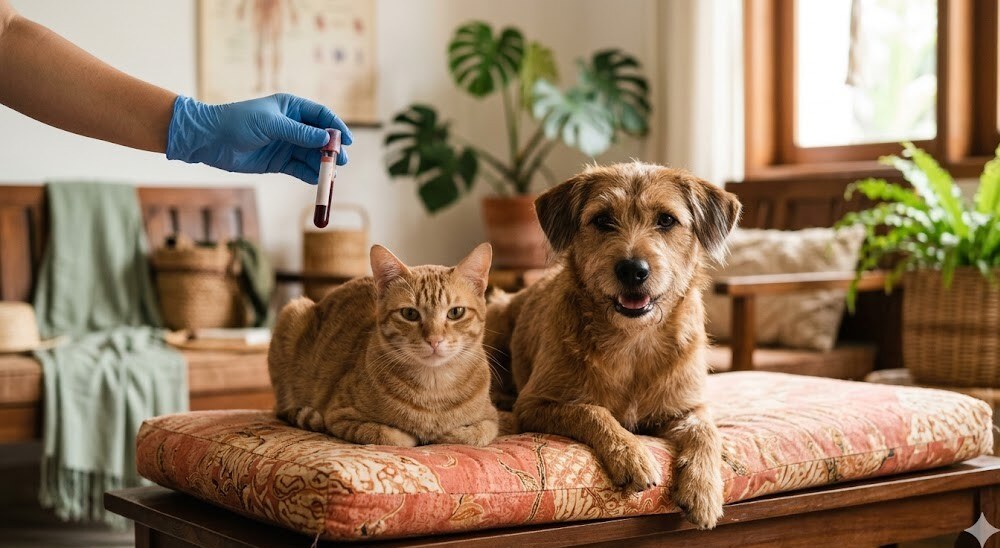
- An intact cold chain. Vaccines must be stored at a stable cold temperature. A vaccine that has overheated can lose potency, making the shot pointless even if the pet seems fine.
- The pet is healthy when vaccinated. Vaccines should only be given to a fit animal. That is why a brief physical exam before vaccinating is mandatory, not a formality.
- Correct technique and schedule. Vaccine type, injection site, and booster intervals follow guidelines such as the WSAVA Vaccination Guidelines used by many veterinarians.
A serious home-visit service carries a dedicated cooler to keep vaccines at the right temperature in transit. So as long as the provider handles those three things well, a home vaccination gives protection equal to a clinic.
Advantages of vaccinating at home
Less stress, especially for cats
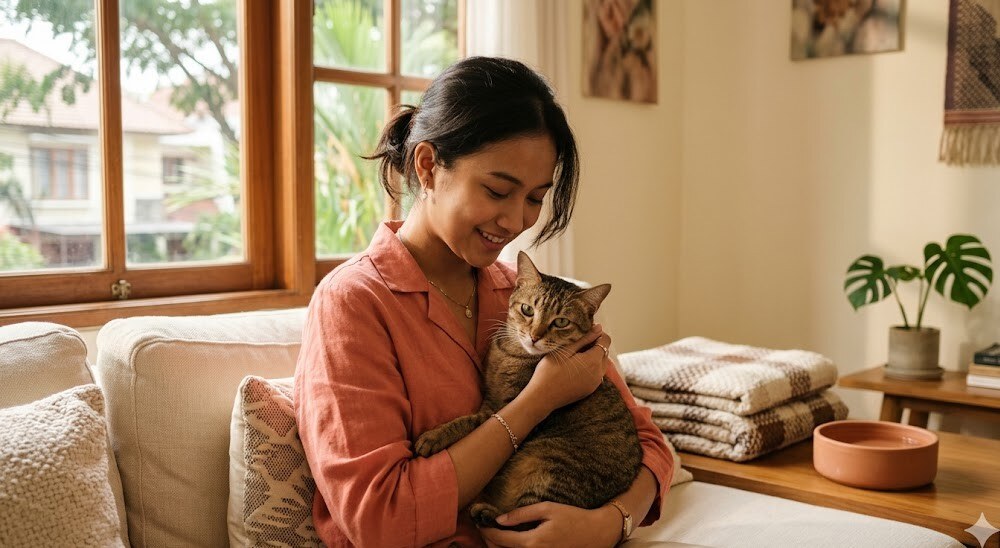
Many cats panic the moment they enter a carrier and a car. Travel stress can trigger vomiting, urination, and even a temporary rise in body temperature that makes the exam less accurate. At home, your cat stays on its own turf, calmer, and the vet can assess its baseline more honestly.
Practical for multi-pet homes
Have three cats or several dogs? Bringing them one by one to a clinic is exhausting. With a home visit, all of them can be vaccinated in one session, and the visit fee usually applies once, making it more efficient per pet.
Lower disease-exposure risk
In a clinic waiting room, your pet may sit close to other sick patients. For kittens or puppies whose vaccine series is not complete, minimising that exposure helps.
Great for busy schedules and senior pets
No time off work, no parking hunt, no queue. For a senior pet that tires easily or has joint pain, skipping the car ride is far more comfortable.
This is why many families choose to have a Prabasa vet come home for routine boosters: the process is calm, quick, and the pet is not traumatised.
Advantages of vaccinating at a clinic
- On-site access to full equipment. If the exam reveals a need for X-ray, ultrasound, or an on-site blood test before deciding it is safe to vaccinate, the clinic can provide it right away.
- Better when the pet's condition is unclear. If the animal shows symptoms (lethargy, fever, not eating), what it needs is not just a vaccine but a deeper workup. A clinic with full facilities is a better fit.
- Handling very aggressive animals. A small share of cases need special handling tools or restraint available at a clinic.
How to choose: a quick guide
Pick home vaccination if:
- Your pet is healthy and only needs a routine booster or the next dose in a series.
- Your cat is very stressed by travel.
- You have several pets at once.
- You have kittens or puppies best kept away from exposure.
- Your schedule is tight or your pet is already a senior.
Pick a clinic if:
- Your pet is showing signs of illness and needs diagnostics first.
- You expect to need X-ray, ultrasound, or lab work the same day.
- There is a history of a severe vaccine reaction needing full-facility observation.
If you are unsure which category you fall into, that is exactly what an initial consult is for. Describe your pet's condition over chat and the vet will help steer you toward the safest option, including an honest recommendation to visit a clinic when that is more appropriate.
What about reactions after the vaccine?
Mild reactions such as slight lethargy, a day of reduced appetite, or small swelling at the injection site are common and usually settle on their own within one to two days. What to watch for are severe reactions such as repeated vomiting, facial swelling, intense itching, or trouble breathing within minutes to hours of the shot. These are rare but count as emergencies.
During a home visit, the vet will explain which signs are normal and which mean heading to the nearest clinic right away. For a pet with a history of vaccine reactions, mention it up front so the response can be prepared.
Ready to vaccinate calmly at home?
If your pet is healthy and just needs a routine vaccine, a Prabasa vet can come straight to your home across Jabodetabek. We keep the vaccine cold chain intact, perform a physical exam before injecting, and explain the next booster schedule so protection does not lapse.
Want to schedule or ask first? Message Prabasa Vet on WhatsApp with your pet type, age, vaccine history, and area. If your pet's condition is better handled at a clinic with full equipment, we will say so plainly.