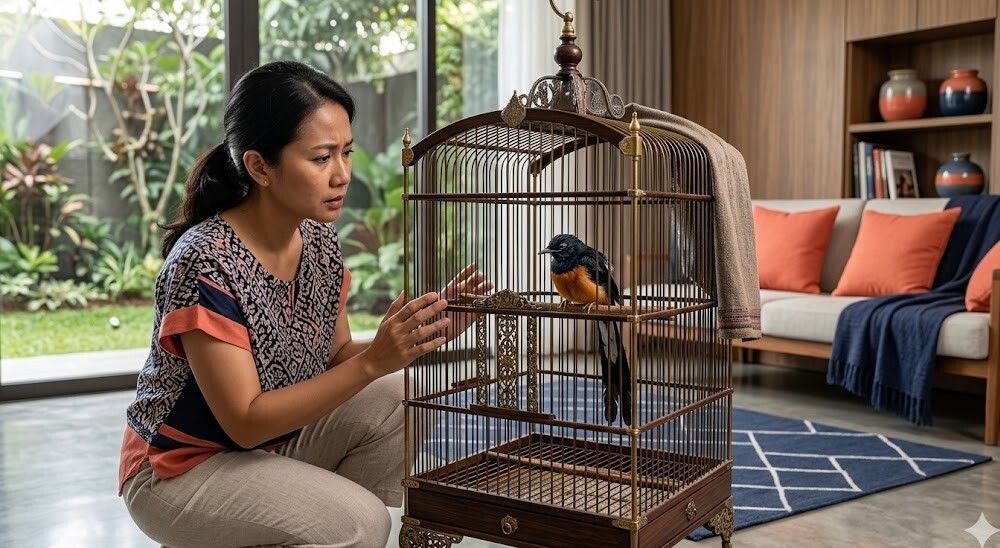

A change in the sound of breathing is often the first sign a bird owner catches. At first it is faint, heard at night or when the bird is quiet. Over time it becomes a clear snore, sometimes with the tail bobbing along with each breath. In birds, a change in breathing is not something to take lightly, because their respiratory system is different and more vulnerable than a mammal's.
This article helps you understand why a bird can snore or struggle to breathe, what hobbyists usually call snot, and when this complaint has entered the territory that needs a vet.
Why a Bird's Breathing Is Easily Disturbed
Birds do not only have lungs. They also have air sacs that extend into the body cavity. This system makes a bird's breathing very efficient, but it also means a disturbance at one point can spread quickly and feel severe. The narrow upper airway in small birds means even slight swelling or mucus is enough to produce a sound.
So noisy breathing in a bird is rarely truly trivial. It is a signal that something is disturbing the airway, whether from the environment, an infection, or another condition.
Common Causes
Some possible causes of respiratory trouble in birds:
- Respiratory infection. Hobbyists often call it "snot", a condition with symptoms like sneezing, watery nose and eyes, swollen eyes, and snoring. In chickens and some poultry, the term CRD (chronic respiratory disease) is used for chronic respiratory trouble. The exact cause can vary and needs to be confirmed by a vet, not guessed from outward symptoms alone.
- Environmental factors. Dust, cigarette smoke, mosquito-coil smoke, perfume or air fresheners, and a damp, poorly ventilated cage can irritate the airway.
- Overheating or exhaustion. A bird sunned too long or overheated may be seen opening its mouth and panting to regulate its body temperature. This differs from breathing trouble due to disease, but still deserves attention.
- Foreign objects or sudden irritation. Fine feed dust or inhaled particles can sometimes trigger temporary sneezing and noisy breathing.
Because the outward symptoms can look similar, guessing the cause yourself risks being wrong. This is why consulting early helps guide the right step.
Ask the vet by your bird type
Pick your bird and a pre-filled WhatsApp chat opens so our team knows exactly which type it is.
Be Careful With Shop-Bought Medicine
Many bird medicines are sold freely with claims of quickly curing snoring or snot. The temptation to try one right away is strong. But giving medicine without knowing the exact cause can mask symptoms temporarily without solving the problem, or even worsen it if the dose and type are unsuitable. Some preparations may also not suit your bird's type.
A safer approach is to first fix the obvious things (air circulation, cage cleanliness, keeping away from smoke and dust), then confirm the cause with a vet before giving any medicine.
When to See a Vet
Seek help right away if the bird shows:
- Constant open-mouth breathing, the tail pumping with each breath
- Lethargy, fluffed feathers, sleeping often during the day, reluctant to sing
- Reduced appetite or stopping eating
- Persistently watery eyes and nose, swollen eyes
- Breathing sounds getting louder day by day
In small birds like lovebirds and canaries, do not wait too long. A fast metabolism means the condition can decline within hours. If in doubt, just have an initial consultation first to judge how urgent the situation is.
Free Initial Consultation
Unsure whether your bird's snoring needs treatment or just an environmental fix? Start with a chat. The initial WhatsApp consultation is free. Send a short video of the bird breathing and describe the symptoms, and we help judge the most sensible step.
Frequently Asked Questions
What is snot in birds?
Snot is the hobbyist term for respiratory trouble with symptoms like sneezing, watery nose and eyes, swollen eyes, and snoring. The exact cause varies and needs to be confirmed by a vet.
Can snoring in birds spread to other birds?
Some causes of respiratory trouble can spread between birds. As a safe measure, separate the sick bird from healthy ones while confirming the cause.
My bird opens its mouth during the hot afternoon, is that breathing trouble?
It could be the bird's way of regulating temperature when overheated, not always a sign of disease. But if it continues in a shaded spot or comes with lethargy, it is best to have it examined.
Can I give over-the-counter snot medicine?
It is best not to before knowing the cause. Medicine without a diagnosis can mask symptoms or miss the target. Fix the environment first, then consult.
When is this condition an emergency?
If there is constant open-mouth breathing, severe lethargy, or stopping eating, that is an emergency. Do not delay, seek help right away.
Free consultation via WhatsApp
Start with a chat. The initial WhatsApp consultation is free. Contact us via WhatsApp and send a short video of the bird breathing along with the symptoms.