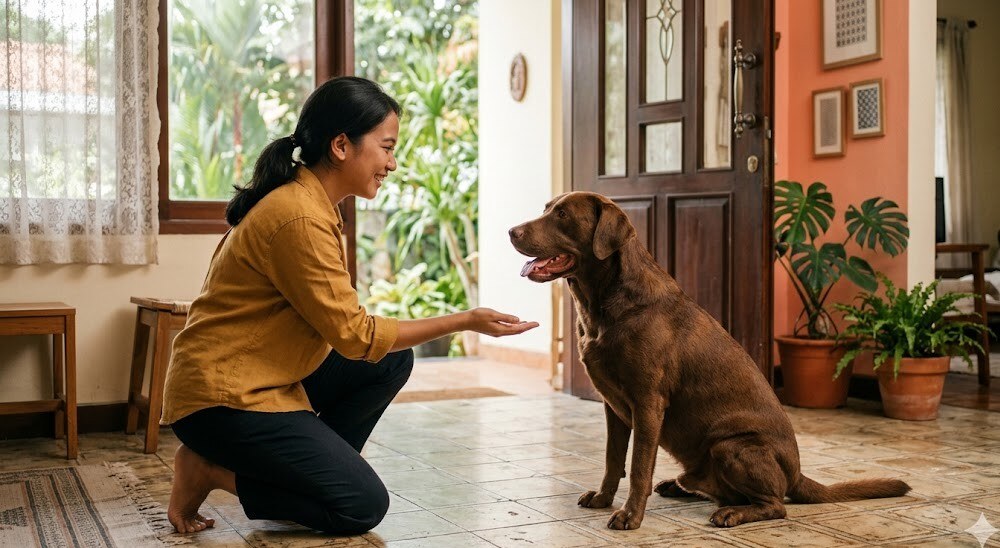

Adopting an adult dog from a shelter or rescue might be the most impactful decision you can make as a new pet owner. Many potential adopters default to puppies, thinking they are "easier to mold from the start", yet puppies require intense stimulation, supervision, and training for months, which not everyone has the bandwidth for. Adult dogs, on the other hand, are often already house-trained, have passed the destructive chewing phase, and their personalities are clearly established.
What isn't discussed enough is that the first few weeks of a rescue dog's life in a new home is a highly sensitive phase. These dogs bring "baggage" from their previous lives, shelter experiences, possible trauma, fear of specific triggers, or simply the need to learn to trust humans again. Forcing interactions too quickly can lead to a fragile trust baseline. However, providing proper decompression builds the foundation for a solid, lifelong bond.
This article is a complete guide for those who have recently adopted or are researching adopting an adult dog, covering the benefits over puppies, practical home preparation, the 2-week decompression concept, the first vet visit schedule, common shelter issues (housetraining regression, fear of loud noises, reactivity), bonding strategies through routine and positive reinforcement, introducing them to existing pets, and when to involve a professional behaviorist. Disclaimer: This is a general guide based on international canine behavior and shelter medicine guidelines and does not replace a direct consultation with a veterinarian for your dog's specific condition.
Advantages of Adopting an Adult Dog vs. a Puppy
This isn't to discredit puppy adoption, both are valid choices with their own trade-offs. However, adult dogs offer several practical advantages that beginner adopters often overlook:
- Usually House-trained. Most adult shelter dogs have lived in homes before and understand the concept of "going outside." They might need a few days to refresh in a new home, but it's much faster than starting from scratch with a 2-month-old puppy.
- Past the Destructive Chewing Phase. Puppies aged 4-9 months typically chew everything, shoes, furniture, cables. Adult dogs over 1.5 years old have mostly finished this phase (unless there is underlying anxiety).
- Established Personality. Energy levels, sociability with humans/dogs/cats, fear patterns, and vocal tendencies are already set. You can choose a dog that matches your lifestyle rather than playing the "puppy personality lottery."
- Usually Already Neutered/Spayed. Most shelters sterilize all dogs before adoption. You won't need to plan or budget for this in the first 6-18 months.
- Up-to-Date Core Vaccines. Adult shelter dogs generally come with their DHPP and Rabies series completed; you'll only need to maintain annual boosters.
- A Powerful "Save a Life" Narrative. Adult dogs, especially those over 5 years old, large breeds, or those with special needs, often wait longer in shelters as people favor puppies. Adopting one literally opens a spot for the next rescue dog.
It's important to be mentally prepared: adult dogs may take longer to fully bond compared to a puppy that "imprints" immediately. However, once that bond is formed, it is often deeper because the dog recognizes you as the one who provided safety after their shelter experience.
Home Preparation: Practical and Minimalist
Ideally, all basic items should be ready before the dog arrives. Shopping with a dog fresh from a shelter is stressful for everyone, and they are prone to bolting in busy parking lots or shops before a bond is established.
Essential Items
- Appropriately Sized Crate, An adult dog should be able to stand up and turn around without hunching. A crate isn't a "prison"; if introduced correctly, it becomes a "den" where they choose to sleep. It's also vital for safety when you can't supervise them in the early weeks. Use a soft towel or crate pad, not bare wire.
- Leash + Harness or Collar with ID Tag, Rescue dogs are at high risk of bolting in the first few days. They don't yet recognize the new house as "home"; their instinct is still panic and flight. Always use a leash and harness outdoors, even for simple potty breaks in a yard, until the bond is solid (at least 2-3 weeks). An ID tag with your name and phone number is mandatory from Day 1.
- Adult-Grade Dog Food, Choose a formula based on size (small/medium/large breed) and activity level. For the first week, ideally use the same brand and type they had at the shelter (ask during adoption) to avoid digestive upset on top of adaptation stress. Transition gradually to your choice over 7-10 days once they've settled.
- Food and Water Bowls, Stainless steel or ceramic are best (avoid plastic, as it scratches easily and traps bacteria). Ensure water is always fresh and plentiful. For large dogs, a raised feeder can help prevent neck strain.
- Comfortable Bedding, Have at least one bed in the main living area. Rescue dogs may not immediately know "this is my bed," but consistent placement and rewards for using it will help them learn quickly.
- Anti-slip Flooring or Rugs, Tiled floors in Jakarta can be slippery for new dogs, especially large or senior ones. This can lead to ligament and joint injuries. Place rugs or anti-slip mats in corridors and main areas.
- Safe Chew Toys, Stuffed Kongs (use xylitol-free peanut butter or wet food), Nylabones, or rope toys help redirect energy and cope with decompression stress.
- Poop Bags + Cleaning Supplies, Use an enzymatic cleaner specifically for pets to handle house-training regressions (standard detergents don't remove the scent that triggers a dog to pee in the same spot again).
- Pheromone Diffuser (Optional but helpful), Adaptil or similar, installed at least 24 hours before arrival. It's not a magic fix, but research shows it can have a calming effect on some dogs with separation or new-environment anxiety.
The 2-Week Decompression Rule
"Decompression" is a concept used by shelter behaviorists and the rescue community for the first two weeks in a new home. The core idea is: minimize stimuli, introduce everything gradually, and don't rush bonding or training. Many long-term behavioral issues stem from skipping this phase, owners getting too excited and taking the dog to cafes, introducing them to all their friends, or heading straight to a dog park.
Principles of Decompression
- Week 1: Home Only. Let the dog explore the house at their own pace, supervised but not forced to interact. Take short walks for potty breaks in quiet areas near the house (avoid dog parks and busy streets). Introduce immediate family members gradually, one person per day, not everyone at once. No guests, no visiting dogs.
- Week 2: Gradual Expansion. Take longer walks in the immediate neighborhood and start exposing them to normal household sounds (TV, blender, passing motorbikes). Establish a consistent routine (feeding times, walk times, sleep times). No intensive training yet, focus on the relationship.
- Week 3-4: Introduce New Contexts Slowly. Try taking them to quiet new places (an empty park in the morning, a friend's yard with a known dog). Start basic positive reinforcement training (sit, name response, leash manners).
- Month 2+: Slow Socialization + Routine Training. If the dog is confident at home and in their immediate surroundings, start expanding. Visit pet-friendly cafes during quiet hours, go for quiet hikes, and introduce them to a few neighbor dogs you know well.
What to Avoid in the First 2 Weeks
- Busy Dog Parks, The most overwhelming environment for a rescue dog. Wait at least 4-6 weeks until they are settled.
- Long Hikes or Excessive Exercise, The dog may have undetected musculoskeletal issues or low cardiovascular reserves from the shelter.
- Large Family Gatherings / Crowded Guests, Even if the dog isn't fearful, their processing capacity is currently limited.
- Busy Pet Shops, Too many scents, sounds, and other dogs lead to sensory overload.
- Baths, Professional Grooming, or Training Classes, These can wait until Week 3 or 4 when trust has been built.
- Direct Introduction to Energetic Young Children, Running and screaming children can trigger predatory or fear responses. Supervise strictly and teach children rules (slow approach, no hugging, no chasing, no taking food from the dog).
First Vet Visit: Within 3-7 Days of Adoption
While rescue cats can often wait a week, for adult rescue dogs, a vet visit within the first 3-7 days is highly recommended. Reasons include: dogs are more mobile and go out for potty breaks, the exposure to parasites and heartworm-carrying mosquitoes in Indonesia is high, and some shelter conditions (kennel cough, parasites, demodicosis, heartworm) require prompt treatment.
What is typically checked during the first visit:
- Comprehensive Physical Exam, Weight, temperature, body condition score, eyes and ears (checking for otitis or ear mites), mouth and teeth (dental disease is common in dogs over 3 years old), heart and lungs, abdomen (checking for masses), skin and coat (lesions, external parasites), joints (especially for seniors or large breeds), and basic neurological reflexes.
- Verification of Shelter Vaccination Records + future booster planning. For dogs with incomplete records, it's often necessary to restart the DHPP series or confirm via titer testing.
- Heartworm Test, Crucial in Indonesia due to high prevalence. A blood snap test provides results in about 10 minutes. Adult rescue dogs are at high risk; if positive, treatment is complex and requires careful planning.
- Internal Parasite Check via stool sample (worms, giardia, coccidia), common in shelter dogs even if they've had standard deworming.
- Heartworm and External Parasite Prevention Discussion, Start as soon as possible after a negative heartworm test.
- Discussion on Diet, Environment, Socialization, and Training, A large part of the visit that often gets overlooked in busy clinical settings.
For a rescue dog still in the decompression phase, a home visit is far more ideal than a trip to the clinic. It reduces layered stress (car rides + unfamiliar places + clinical smells + crowded waiting rooms) which can worsen baseline anxiety. The vet can also observe your environment and suggest tweaks to your decompression setup if needed.
Common Shelter Issues (Don't Be Surprised, Be Prepared)
Shelters, even well-run ones, are high-density environments with high stress and turnover. Some conditions often appear after the dog is home because the incubation period hasn't finished or stress triggers a flare-up.
Kennel Cough (Infectious Respiratory Disease)
Very common in the first 1-2 weeks. Signs include a persistent "honking" dry cough, occasionally bringing up white foam, and a normal to mild fever; they usually remain active and continue eating. It's typically a combination of viruses (parainfluenza, adenovirus) and bacteria (Bordetella).
Most cases are self-limiting within 1-2 weeks with supportive care. However, if there is severe lethargy, loss of appetite, high fever (>39.5°C), coughing blood, or difficulty breathing, consult a vet immediately as it can progress to pneumonia. Isolate from other dogs at home until symptoms resolve + 7-14 days.
Internal and External Parasites
Worms (roundworm, hookworm, whipworm), giardia, and coccidia often appear 1-3 weeks after adoption. Signs include soft stools, occasional vomiting, difficulty gaining weight despite eating well, a dull coat, and sometimes blood in the stool. Ticks, mites (demodicosis or sarcoptic mange), and skin fungi are also common.
Treatment is usually straightforward with vet-recommended products. Do not buy random medications online, incorrect dosing can be toxic (especially ivermectin in sensitive breeds like Collies or Australian Shepherds with the MDR1 gene mutation).
Heartworm Disease
Indonesia is high-prevalence for heartworm (Dirofilaria immitis) because mosquitoes are present year-round. Adult rescue dogs are at high risk. Early signs are often vague (mild cough, exercise intolerance), while late signs are serious (right-sided heart failure, ascites). A test is mandatory at the first visit. If positive, treatment is complex (injections + months of restricted exercise), it shouldn't be feared, but it requires careful planning.
Dental Disease
For dogs over 3-4 years old from shelters, dental disease is extremely common. Signs include foul breath, visible tartar, red/swollen gums, drooling, chewing on one side, or avoiding hard food. Discuss this with your vet; they will usually need a professional dental cleaning under anesthesia in the first year, followed by routine home care (see our guide on Safe Dental Brushing for Pets).
Housetraining Regression
Not strictly medical, but common in weeks 1-2: a dog supposedly "house-trained" at the shelter suddenly pees on your floor. They haven't "forgotten", it's a combination of stress, not knowing the new schedule, and not knowing where the "outside" area is yet.
The solution: consistency in potty breaks (every 2-3 hours initially, then gradually longer), generous rewards for going outside, indoor supervision (or crating when you can't supervise), and using enzymatic cleaners for all "accidents" to prevent re-triggering. Most resolve within 1-2 weeks. If it persists beyond 3 weeks, consult a vet to rule out a UTI or other underlying medical issues.
Fear of Loud Noises / Reactivity to Specific Triggers
Many rescue dogs have specific fears that only surface after a trigger in the new home: thunder, construction noise, loud motorbikes, delivery doorbells, screaming children, specific appearances, umbrellas opening, etc. Some fears have a medical basis (ear or dental pain can lower the reactivity threshold), while others are pure behavioral history.
The approach: identify specific triggers, avoid them during decompression, and then use gradual counter-conditioning (exposure at sub-threshold levels paired with high-value treats) from week 3-4 onward. For severe phobias, consult a vet or behaviorist; sometimes a combination of behavior modification and short-term medication is needed.
Positive Reinforcement Training: The Modern Standard
The modern approach to dog training from the AVSAB (American Veterinary Society of Animal Behavior), AAHA, and ACVB (American College of Veterinary Behaviorists) is clear: positive reinforcement is the preferred method; punishment-based methods must be avoided.
Why Punishment-Based Methods Are Not Recommended
- Risk of Increasing Aggression. Studies show that dogs trained with aversive methods (yelling, harsh leash jerks, electronic collars, alpha rolls, dominance theory) are more likely to develop aggression as a defensive response. The "dominate the dog" pattern has long been rejected by the scientific behavior community.
- Fails to Teach Alternatives. Punishment only stops a behavior temporarily, it doesn't teach the dog what they *should* do. This results in a fearful, suppressed dog or one that continues the behavior in secret.
- Erosion of Trust. For a rescue dog building trust with a new owner, punishment in this phase can permanently damage the relationship.
- Welfare Concerns. Many tools like shock collars, prong collars, and choke chains are associated with physical and mental injuries.
Principles of Positive Reinforcement
- Reward Desired Behavior. Use high-value treats (boiled chicken, small cheese bits, premium training treats) when the dog sits, comes when called, or remains calm when a trigger passes.
- Use a Marker Word or Clicker. A "Yes!" or a click exactly when the behavior occurs → treat. This helps the dog know exactly which behavior is being rewarded.
- Ignore or Redirect Undesired Behavior (if safe). Jumping when you get home? Turn your back and stay silent → reward when they sit. This is more effective than shouting "No!"
- Set Them Up for Success. Avoid situations that trigger problem behaviors initially, this is a training strategy, not a moral test. Is your dog reactive to other dogs? Walk during quiet hours while gradually counter-conditioning.
- Consistency in Rules and Language. If "down" means get off the sofa to you but "lay down" to your partner, the dog will be confused. Agree on one word, one meaning for the whole family.
- Short, Frequent Sessions. 5-10 minutes, 2-3 times a day is much more effective than one 30-minute session. Adult dogs have limited attention spans, especially while adapting.
Bonding through Routine, Walks, and Feeding
Bonding with a rescue dog happens through consistency, predictability, and positive associations, not through "love bombing" or forced hugs on day one.
- Consistent Feeding Times, The dog learns you are a reliable food source, a powerful association. Twice a day (adults) or three times (seniors or small breeds at risk of hypoglycemia).
- Morning and Evening Walks, Bonding happens on walks, not on the sofa. The dog learns you are their adventure partner. Walks are also essential for mental and physical health.
- Hand-Feeding Portions, In the first week, give some kibble directly from your hand in a safe environment. This builds positive associations and teaches the dog to be comfortable around your hands and mouth.
- Quiet Time Together, Read a book or watch TV while the dog sits on a mat near you. No active interaction is needed; just sharing space is calming for many rescue dogs.
- Permission-Based Interaction, Wait for the dog to approach you before petting them. A dog that feels they have agency in interactions builds a more solid bond.
- Gentle Massage or Slow Brushing, Once the dog is relaxed, try a gentle shoulder massage or short brushing session. Stop if they move away. This builds positive touch tolerance for future vet visits and grooming.
Introducing Existing Pets: The Slow Protocol
Introducing a new rescue dog to existing pets is one of the phases most likely to go wrong if rushed.
Introducing to an Existing Dog: Parallel Walks First
- Day 1-3: Scent Swap, Separation. Keep the new dog in a separate area (a room with a baby gate or a crate in another room). Swap towels/bedding between areas for scent swapping. No visual or physical contact yet.
- Day 4-7: Parallel Walks. Both dogs on leashes, walking parallel at a safe distance (10-15 meters) with two handlers. No direct interaction, just shared walking. The dog learns "this other dog exists and isn't a threat." Sessions should be 10-15 minutes, gradually getting closer if body language is relaxed.
- Week 2: Supervised Sniffing on Neutral Ground. Meet in a neutral place (not at home, not a favorite park), on leash, and strictly supervised. Allow short sniffs (3-5 seconds), break, give treats, and sniff again. Stop if tension builds.
- Week 3+: Supervised Home Interaction. If parallel walks and neutral ground are successful, begin supervised home interaction. Both on leashes, slack but ready to intervene. Keep resources (food, favorite toys, beds) separate initially to avoid resource guarding.
- Free Roam: Only once they are consistently friendly or neutral over multiple sessions, with supervision for the first few weeks. Crates or baby gates are still needed when you aren't home.
Introducing to an Existing Cat
Use even more caution, a dog with a high prey drive can injure or kill a cat in seconds. The protocol is similar to introducing a new cat (see our Adult Cat Adoption Guide):
- Week 1: Scent swap and total separation.
- Week 2: Visual contact through a baby gate or crate, supervised, dog on a leash.
- Week 3+: Dog on a leash in the same room, while the cat has access to high areas (cat trees, cabinets) to retreat.
- Free Roam: Only when the dog shows consistent calm responses, NOT predatory body language (focused staring, freezing, low growls, or intent to chase).
IMMEDIATELY stop the introduction and consult a behaviorist if there is persistent predatory drive. Some dogs are simply not compatible with cats, that's not a failure, but an individual reality.
Red Flags: When to Seek a Behaviorist or Vet
Most rescue dogs settle well with decompression, positive reinforcement, and patience. However, some situations require earlier professional intervention (veterinarian + certified force-free/fear-free behaviorist):
- Severe Aggression, Not just a warning growl over resources, but sustained attacks, biting without warning, or lunging at passersby. If you or your family feel physically threatened, consult immediately, this is an emergency.
- Severe Medical Issues, Difficulty breathing, seizures, collapse, high fever, bloody vomiting/diarrhea, inability to stand, or sudden squinting.
- Severe Resource Guarding, A dog that attacks when you pass their food bowl or guards toys/beds with serious aggression. This is treatable but requires a specific protocol.
- Severe Separation Anxiety, Dramatic destructive behavior when left alone, continuous vocalization, self-injury, or panic urination/defecation. See our Separation Anxiety Guide.
- Severe + Persistent Reactivity, Not just occasional barking, but reactivity during every walk that makes going out impossible.
- Self-Injurious Behavior, Biting the tail until wounded, licking extremities until bald, or head-pressing.
- Persistent Predatory Drive toward cats or children.
Seek a behaviorist who is certified in force-free, fear-free, or positive reinforcement methods, avoid "balanced trainers" who advocate for prong collars, shock collars, or alpha methods. For severe behavioral issues, a vet may consider a combination of behavior modification and short-term pharmacology.
Rescue Adult Dog FAQ
I work 8-10 hours a day; is an adult dog right for me?
An adult dog is more suitable than a puppy that needs potty breaks every 2-3 hours, but it's still challenging without a support system. Consider a midday dog walker, day care 1-2x a week for socialization, or adopting a senior dog who is more relaxed with alone time. Avoid dogs with a history of severe separation anxiety. Consistent morning and evening walks are mandatory.
My rescue dog was house-trained at the shelter but pees on the floor here. Why?
This is very common in weeks 1-2. It's usually a combination of adaptation stress, not knowing the schedule, and not knowing where "outside" is yet, or potentially a medical issue (UTIs can surface from shelter stress). Use a 2-3 hour potty schedule, reward going outside, and use enzymatic cleaners. If it persists beyond 3 weeks, consult a vet to rule out a UTI.
My rescue dog is afraid of thunder/motorbikes; what should I do?
Many rescue dogs have noise phobias. Do not force "exposure" to "get them used to it", that's flooding and can worsen the fear. Instead, provide a safe space with white noise/classical music during predictable triggers and use gradual counter-conditioning from week 3-4 onward. For severe phobias, consult a vet for short-term anxiolytics.
My dog growls when I get near their food bowl. Is this dangerous?
That's resource guarding, common in dogs with shelter or street backgrounds. A growl is a warning before a bite, so it's actually good they are communicating. DO NOT punish the growl (silencing the warning is more dangerous). Instead, use a "trade-up" protocol: approach the bowl, toss a treat that is better than what's in the bowl, and walk away. For severe guarding, consult a behaviorist.
Can Prabasa Vet visit my home for a newly adopted rescue dog?
Yes. A home visit is ideal for a rescue dog in decompression, reducing the stress of car rides and clinics that can worsen anxiety. A vet can also observe your environment and suggest tweaks to your setup. Contact us via WhatsApp with the dog's breed, age, shelter origin, and location to schedule a check-up and heartworm test.
How long does it take for a rescue dog to fully bond?
Most adult dogs with a normal shelter history bond within 3-6 months. Those with trauma histories (chained, abused, hoarding cases) may take 1-2 years. Seniors from foster homes often bond faster (1-2 months). Signs of a solid bond include following you, relaxed body language, eating comfortably while you are present, and seeking you out when stressed. Patience is always the best strategy.
Conclusion
Adopting an adult dog may not be as "Instagrammable" as a puppy, but it is often more realistic for owners with busy schedules and grounded expectations. Their personalities are set, their needs are more predictable, and you are literally saving a life while allowing the shelter to help the next dog in need.
Success lies in setting up your home before adoption day, respecting the 2-week decompression phase, seeing a vet within 3-7 days for a baseline check and heartworm test, and using positive reinforcement. Don't hesitate to involve a professional if red flags appear. Patience is your foundation.
Need to consult or schedule a home visit for your new rescue dog? Contact us via WhatsApp, provide the breed, age, and how long they've been home, and our team will help schedule a visit tailored to your dog's needs.
Also read: Adopt Puppy: 12 Checklists for New Owners, How to Handle Dogs Scared of the Vet, Canine Separation Anxiety: Signs + Solutions, Pet Care Guide, At-Home Pet Exams.
Medical references used in this article
This article was compiled based on the following sources, verified for clinical accuracy:
- AVSAB (American Veterinary Society of Animal Behavior) Position Statements, humane training methods, socialization principles for adult dogs.
- AAHA Canine Life Stage + Behavior Management Guidelines, baseline visits, vaccination, and parasite prevention.
- ACVB (American College of Veterinary Behaviorists), separation anxiety and reactivity protocols.
- Karen Pryor Academy + Fear Free Pets, positive reinforcement principles and anxiety reduction.
- BSAVA Manual of Canine and Feline Behavioural Medicine 2nd Edition, decompression frameworks and multi-pet introductions.
- Companion Animal Parasite Council, heartworm testing and prevention rationale.
This article serves as a general guide. For specific conditions regarding your rescue dog, including breed-specific history or existing household dynamics, consultation with a veterinarian is the appropriate step.