
If your vet has just told you that your cat tested positive for FIV or FeLV, the first thing that surfaces is usually fear, often because online these two abbreviations sound like a death sentence. Let's slow down and set things straight, because the reality is far more hopeful than what people often imagine.
What FIV and FeLV are, and why they're often lumped together even though they're different
Both are viruses that attack a cat's immune system, which is why they're often mentioned in the same breath. But their characters are quite different:
FIV (Feline Immunodeficiency Virus) is often called "the cat's HIV", and this stirs up a fear that really isn't proportionate. FIV weakens immunity slowly, often over many years. Many FIV cats live long, almost normal lives, especially when kept indoors and cared for well. Important: FIV does not spread to humans. The "similar to HIV" comparison is only about how the virus works, not about it passing to us.
FeLV (Feline Leukemia Virus) is generally more serious than FIV. It can affect the bone marrow and immunity more aggressively. But even "FeLV positive" is not the end of the story, many cats still enjoy a good stretch of life, and the quality of care makes a real difference.
How they spread, and why this shapes prevention
FIV spreads mainly through deep bites during fights, which is why the highest risk is in unneutered male cats that go outside and fight over territory. Peaceful social contact, sharing a bowl, or mutual grooming rarely transmits FIV.
FeLV spreads more easily through prolonged close contact, sharing a bowl, grooming each other, even from mother to kitten. That's why FeLV is more of a concern in multi-cat households.
The good news: two simple things cut out most of this risk, keeping your cat indoors (reducing fights and contact with unknown cats) and spaying/neutering (reducing the urge to roam and fight).
Testing: why results need to be read carefully
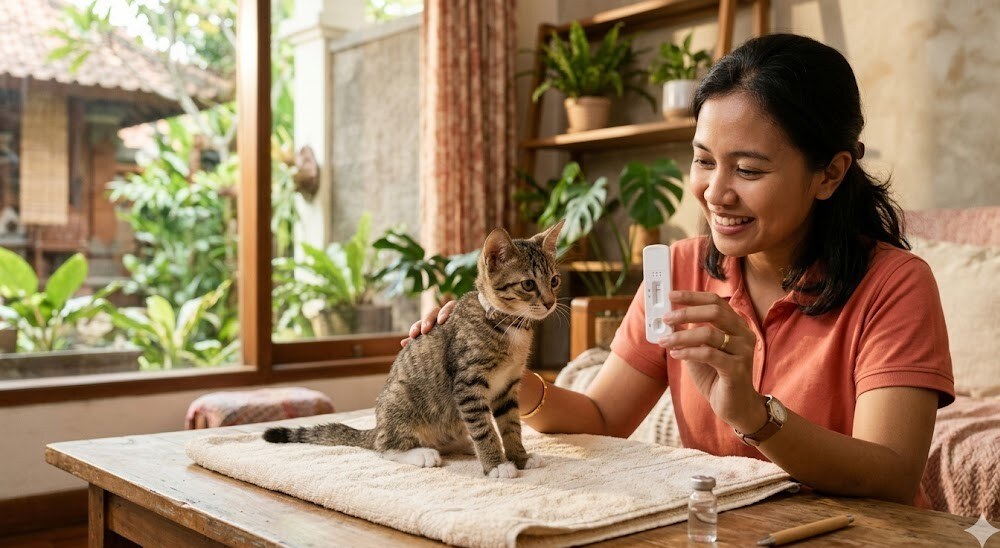
Diagnosis usually starts with an in-clinic rapid test using a small blood sample. These tests are very helpful, but the results need to be read in context, especially in kittens, or if the cat was exposed only recently. In some situations, the vet will suggest retesting after a certain interval to be sure, because a single result doesn't always tell the whole story.
The key point: don't make big decisions based on one rapid test without discussing it with your vet. This is one of the things owners regret most often, acting in haste on a result that actually still needed confirmation.
My cat is positive. What does that mean for the days ahead?
This is the part we most want to emphasize: positive does not mean sick today, and it does not mean a short time left. Many cats with FIV or FeLV go on to live long, happy lives. What changes is not the ending, but how we care for them:
- Keep them indoors. This protects your cat from additional infections (their immunity is weaker) while also protecting other cats in the neighborhood.
- More frequent routine check-ups. Because their resilience is lowered, small problems can develop more quickly. Early detection through regular check-ups is key, many things are far easier to manage when caught early.
- Good nutrition and a calm environment. Quality food and low stress help the immune system work as well as it can.
- Respond to small changes. A drop in appetite, pale or inflamed gums, weight loss, or unusual lethargy, in a positive cat, these are worth having checked sooner than you normally would.
If you have other cats at home
This is a fair and important question. For FeLV, which spreads more easily, your vet will help you weigh the options, from arranging separate spaces to preventive steps for the other cats. For FIV, which spreads mainly through fighting bites, a positive cat with a calm temperament can often live alongside other cats that get along peacefully, though still with supervision. There's no single one-size-fits-all answer, the makeup of your household matters, and this is best discussed directly with your vet.
Prevention for cats that are still healthy
If you're reading this not because of a diagnosis but to be on the safe side, three simple steps already help a lot: keep your cat indoors, spay/neuter, and talk to your vet about preventive measures suited to your cat's lifestyle, including whether certain vaccinations are relevant to your situation. For a new cat about to be introduced to a home with other cats, testing first before they share space is a wise habit.
FIV & FeLV FAQ
Can FIV or FeLV spread to humans?
No. Both are cat-specific viruses and do not infect humans or dogs. You can still safely cuddle, care for, and sleep close to your cat.
How long can a positive cat live?
It varies widely, and many live for years with a good quality of life, especially with FIV. The biggest factor isn't the diagnosis label, but how consistent the care is, an indoor lifestyle, and early detection when something comes up.
Does a positive cat have to be completely separated from other cats?
It depends on the virus and your household situation. FeLV calls for more caution than FIV. This is a decision best made together with your vet after weighing the number of cats, their temperaments, and the layout of your home.
Is one positive test result certain?
Not necessarily, especially in kittens or after a recent exposure. Your vet may suggest confirmation or a retest after an interval before drawing conclusions. Don't make big decisions off a single test without discussion.
In short, and an offer to talk it through first
FIV and FeLV sound frightening, but for most families this diagnosis is the start of a chapter of loving care, not the end. By keeping your cat indoors, with regular check-ups and responding to small changes, many positive cats remain companions who are there for years.
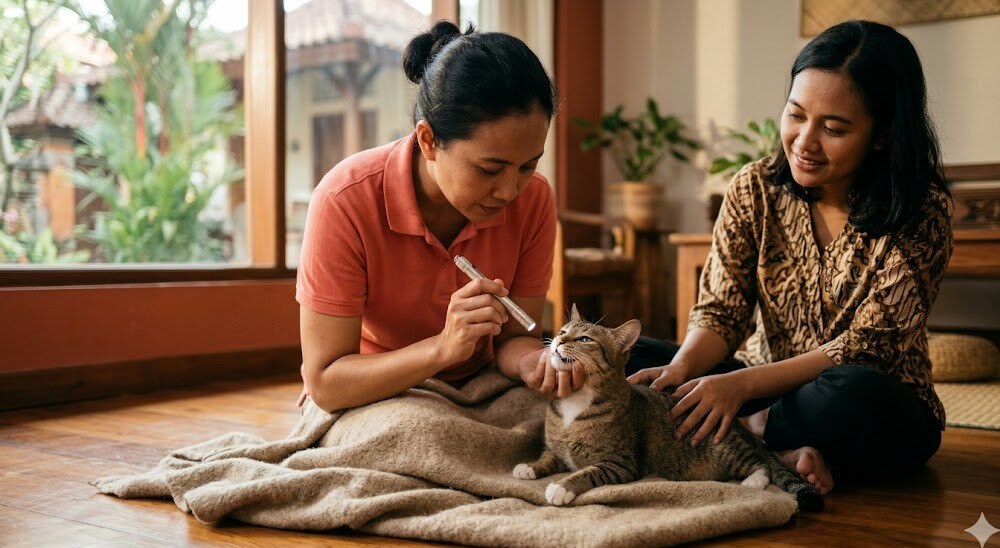
If your cat has just been diagnosed and your head is full of questions, you can consult with Prabasa Vet via WhatsApp, we'll help explain the condition calmly, or schedule an examination and testing at home so your cat doesn't have to be stressed by a trip to the clinic. The initial consultation is free of charge.
Notes & references
This article is educational and general, following the understanding widely held in veterinary practice regarding feline retroviruses (in line with veterinary consensus guidance on FIV/FeLV). This explanation does not replace examination and test interpretation by the veterinarian treating your cat directly. Every cat is different, the best decisions always come from a discussion with the vet who examines them.