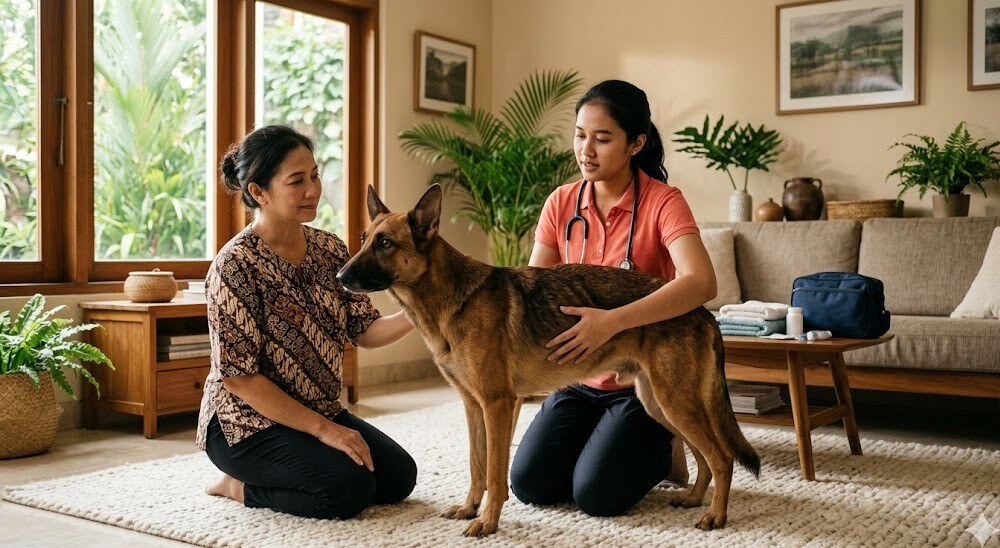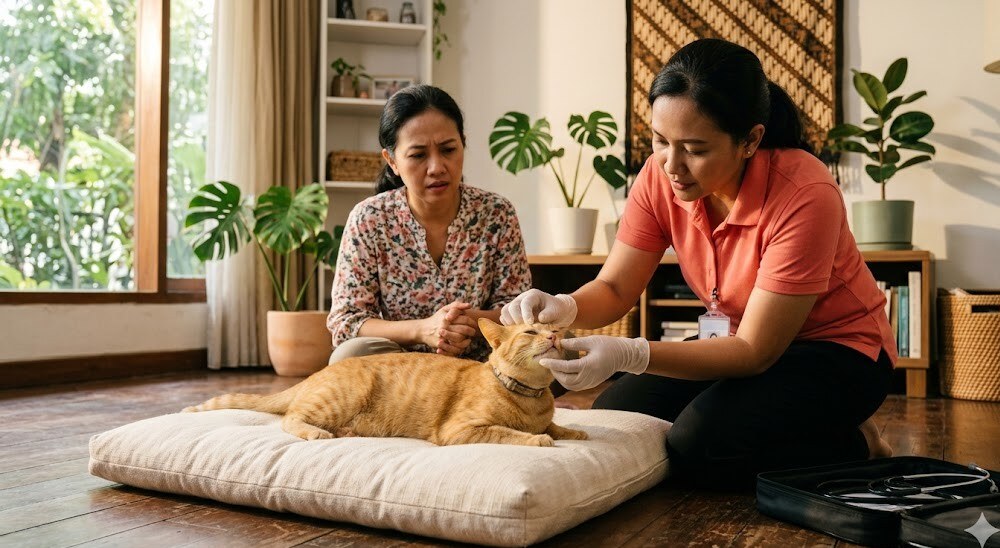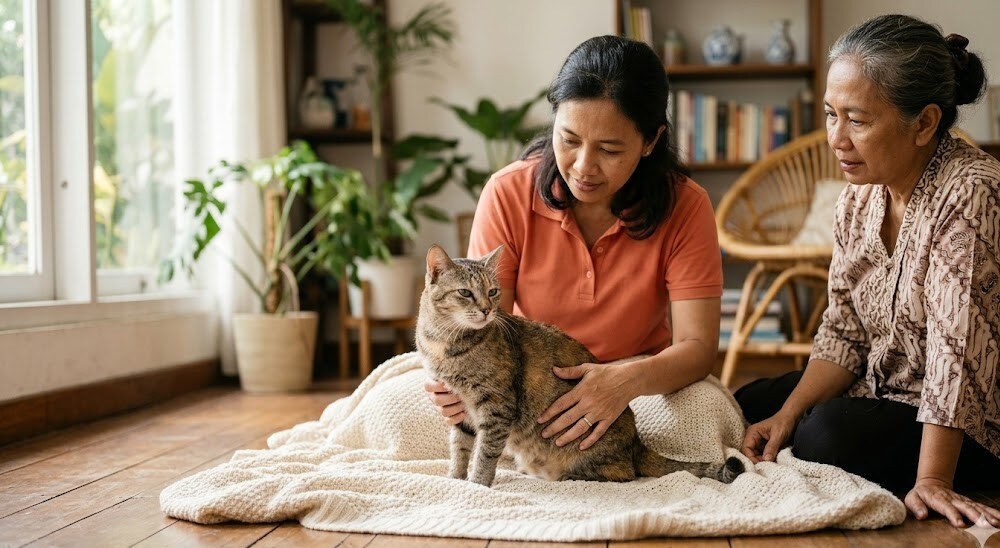

"Doc, my dog was given a lot of fatty grilled meat leftovers by a guest yesterday, and at night he started vomiting repeatedly. His posture is strange, front bowed down but rear up, like praying. He won't eat at all." A pattern like this, acute vomiting + abdominal pain + a "praying" position + post-high-fat meal, is a red flag for acute pancreatitis that needs prompt medical evaluation, especially in predisposed breeds like the Miniature Schnauzer, Yorkshire Terrier, and Cocker Spaniel.
In cats, the presentation of pancreatitis is often far more subtle and tricky, frequently just lethargy + anorexia without dramatic vomiting, and it often co-exists with IBD and cholangitis in the concept of "triaditis". This article is a comprehensive guide for dog and cat owners, why pancreatitis is serious, distinguishing acute and chronic, systematic diagnosis, modern treatment (early enteral feeding rather than prolonged fasting), and the low-fat diet as the cornerstone of management.
What is pancreatitis?
Pancreatitis is inflammation of the pancreas caused by premature activation of digestive enzymes within the pancreatic tissue itself (auto-digestion). Normally, pancreatic enzymes (trypsin, lipase, amylase) only become active after entering the duodenum. In pancreatitis, the enzymes are active inside the pancreas → cell injury → inflammatory cascade → it can progress to necrosis, systemic inflammatory response syndrome (SIRS), and multi-organ failure in severe cases.
Main classifications:
- Acute, rapid onset, variable severity (mild self-limiting up to life-threatening necrotizing), with the potential for complete resolution if treated promptly
- Chronic, persistent/recurrent low-grade inflammation, cumulative structural damage (fibrosis), can progress to exocrine pancreatic insufficiency (EPI) and/or diabetes mellitus due to destruction of beta cells
The pancreas has a dual function: exocrine (digestive enzymes) and endocrine (insulin + glucagon). Chronic pancreatitis can damage both functions, which is why diabetes mellitus and EPI often appear as long-term complications.
Pancreatitis in dogs, high-fat meal as the classic trigger
Predispositions
- Dietary indiscretion, eating a sudden high-fat meal (grilled meat leftovers, fried chicken skin, high-fat food it isn't used to consuming). This is the most classic and most common trigger and is often the cause of emergency visits after Eid/Christmas/family parties
- Obesity, overweight dogs have a much higher risk
- Idiopathic hyperlipidemia, especially the Miniature Schnauzer, which has a genetic predisposition to high triglycerides → recurrent pancreatitis. Also Yorkshire Terrier, Cocker Spaniel, Miniature Poodle
- Endocrinopathy, diabetes mellitus, hypothyroidism, hyperadrenocorticism (Cushing), all can cause or worsen hyperlipidemia → pancreatitis
- Certain medications, long-term corticosteroids, azathioprine, bromide, several other drugs. Per Plumb's Veterinary Drug Handbook 7e, consider the possibility of pancreatitis as an adverse effect when prescribing risky drugs
- Abdominal trauma or post-operative
Clinical signs in dogs
- Repeated vomiting, often severe in acute cases, may contain undigested food, yellow bile fluid, or foam
- Abdominal pain, the "praying position" (front bowed down with forelegs folded as if prostrating, rear raised) is a classic sign of pancreatic abdominal pain. The dog seeks a position that relieves pressure in the cranial abdomen
- Anorexia, refusing to eat at all
- Lethargy, appears very weak, not as responsive as usual
- Fever, often mild-to-moderate
- Diarrhea, may appear, sometimes with blood in severe cases
- Dehydration, from the combination of vomiting + not drinking + diarrhea
- Shock in severe cases, pale, tachycardia, weak pulse, hypothermia → emergency
Pancreatitis in cats, silently deadly
Feline pancreatitis is known as "the great masquerader", its signs are often subtle and non-specific, frequently missed or diagnosed late. It's completely different from dogs, which are characteristic with vomiting + praying position.
Predispositions in cats
- Idiopathic, most cases have no clear trigger, unlike dogs. A high-fat meal is not the classic trigger
- Triaditis, cats have a unique anatomy: the pancreatic duct, bile duct, and small intestine merge at the area of the duodenal papilla. Because of this, inflammation often "goes up and down": pancreatitis + cholangitis (inflammation of the bile ducts) + IBD (inflammatory bowel disease) often co-exist. It is called feline triaditis
- IBD or intestinal small cell lymphoma, overlapping with chronic feline pancreatitis
- Hepatic lipidosis, cats with prolonged anorexia develop hepatic lipidosis as a secondary complication, which worsens the pancreatitis
Clinical signs in cats
- Lethargy, most common, often the only early sign
- Anorexia, the cat won't eat, partial or complete
- Vomiting, only 35% of feline cases (vs almost all dogs)
- Dehydration, often severe because of anorexia + vomiting if present
- Hypothermia, many cats with pancreatitis present hypothermic (not febrile), unlike dogs, a less favorable prognostic sign
- Abdominal pain, hard to detect in cats because they are experts at hiding pain
- Jaundice, if there is a cholangitis component (triaditis)
- Weight loss, gradual in chronic cases
Because feline signs are subtle, every cat with lethargy + anorexia for more than 24-48 hours requires medical evaluation, not only to rule out pancreatitis, but also to prevent the complication of hepatic lipidosis, which develops fast (3-4 days of anorexia can already lead to it).
Diagnosing pancreatitis
Diagnosing pancreatitis is a combination of clinical + lab + imaging, there is no single test that is 100% definitive without a histopathology biopsy. A layered approach:
1. SPEC PL (Specific Pancreatic Lipase)
The most sensitive and specific test for canine and feline pancreatitis currently:
- cPLI (canine Pancreas-specific Lipase Immunoreactivity) for dogs
- fPLI (feline Pancreas-specific Lipase Immunoreactivity) for cats
- Rapid in-house test (SNAP cPL/fPL), results in 10-15 minutes, qualitative
- Quantitative lab (Spec cPL/fPL), sent to an external lab, results the next day
SPEC PL is far more sensitive and specific for pancreatic inflammation than conventional total amylase/lipase. Per the ACVIM Consensus on Canine Acute Pancreatitis and the AAFP guidelines, SPEC PL is the first test of choice when pancreatitis is suspected.
But SPEC PL is not absolute, about 15% of cases can be false negative (especially low-grade chronic pancreatitis). A normal result does not rule out pancreatitis if the clinical picture and imaging support it.
2. Abdominal ultrasound
Ultrasound is noninvasive and very valuable for:
- Pancreatic thickness and echogenicity, pancreatitis is often enlarged and hypoechoic
- Hyperechoic mesentery around the pancreas, peri-pancreatic fat necrosis
- Free abdominal fluid, secondary peritonitis
- Bile and ducts, screening for cholangitis (feline triaditis)
- Intestine and lymph nodes, IBD/lymphoma (for feline triaditis)
Ultrasound can be equivocal in mild pancreatitis, its sensitivity is 60-70% for canine and feline pancreatitis. Not seeing an abnormal pancreas on ultrasound also does not rule it out.
3. Blood panel + radiograph
- CBC, leukocytosis with neutrophilia in many acute cases
- Biochemistry, elevated ALT/ALP (liver), elevated bilirubin (if cholangitis is present), elevated total lipase (less specific), elevated triglycerides (especially Schnauzer)
- Urinalysis
- Thoracic + abdominal radiograph, to rule out differentials (foreign body, GI obstruction, megaesophagus, aspiration pneumonia complication)
4. Check other differentials
- GI foreign body
- Hemorrhagic gastroenteritis
- Acute kidney disease
- Diabetes mellitus / ketoacidosis
- Addison's disease (hypoadrenocorticism)
- Pyometra (intact female dogs)
- Poisoning (xylitol, etc.)
- Hepatic lipidosis (cats) as a differential or a secondary complication
Treating pancreatitis, the modern paradigm
1. Fluid and electrolyte stabilization
The cornerstone of acute treatment. Dogs and cats with pancreatitis are usually severely dehydrated from vomiting + anorexia + third-space loss into the peri-pancreatic tissue. Aggressive IV fluid therapy (LRS or acetated Ringer's) to maintain pancreatic perfusion, critical to prevent progression to necrotizing pancreatitis. Electrolyte monitoring (potassium is often low).
2. Analgesia, often under-recognized
Pancreatitis is very painful. Adequate analgesia is mandatory for welfare and to speed recovery (uncontrolled pain delays enteral feeding). Per Plumb's Veterinary Drug Handbook 7e, options include:
- Buprenorphine, a mild-moderate opioid, often first-line outpatient for cats and dogs
- Maropitant, primarily an antiemetic but also has a visceral analgesia component
- Methadone, fentanyl, opioids for moderate-severe pain, hospitalized cases
- NSAIDs are contraindicated in acute pancreatitis, increased risk of GI ulceration and renal injury when dehydrated
3. Antiemetic
- Maropitant, NK1 antagonist, very effective for pancreatitis vomiting in dogs and cats
- Ondansetron, 5HT3 antagonist, as a second-line or adjunct
4. Early enteral feeding, the modern paradigm shift
This is a big change from the old paradigm. Previously: pancreatitis = prolonged fasting (NPO) so the pancreas can "rest". Now: the latest research evidence (including the ACVIM Consensus + the research group of Steiner JM) shows that early enteral feeding (starting to eat within 24-48 hours after stabilization) is far better for:
- GI mucosa recovery
- Preventing bacterial translocation from the gut
- Maintaining enterocyte health
- Speeding recovery
- Preventing hepatic lipidosis in cats (prolonged feline anorexia is a disaster)
Practically: once vomiting is controlled with an antiemetic, start small-volume frequent feeding with a low-fat highly digestible diet. If the dog/cat refuses, consider a feeding tube (nasoesophageal, esophagostomy) early, not a wait-and-see over several days.
5. Treating comorbidities and complications
- Control diabetes mellitus if present
- Control hyperlipidemia (Schnauzer, etc.), fenofibrate, omega-3
- Treat cholangitis if triaditis (antibiotics based on culture, ursodeoxycholic acid)
- Treat IBD if triaditis (see the separate feline IBD article)
- Fresh frozen plasma for severe cases with DIC concern (controversial efficacy)
Diet recommendations, the cornerstone of long-term management
Diet for dogs
Standard for dogs with pancreatitis (especially those who have had an episode):
- Low-fat diet under 15% fat in DM (dry matter basis)
- For dogs with significant hyperlipidemia (especially Schnauzers): ultra-low-fat under 10% DM is sometimes needed
- Commercial products: Hill's i/d Low Fat, Royal Canin Gastrointestinal Low Fat, Purina EN Gastroenteric Low Fat
- Highly digestible, easily digested protein and carbohydrate
- Avoid high-fat treats, table scraps, chicken skin, fatty meat, butter, oil, for life if the dog has a history of pancreatitis
- Multiple small meals per day (3-4 times) are better than 1-2 large meals
Diet for cats
For cats, the dietary focus is a little different:
- Highly digestible diet, the main focus for feline pancreatitis, NOT just low-fat (cats have a higher fat tolerance than dogs)
- If there is an IBD/triaditis component: hypoallergenic (novel protein or hydrolyzed), see the IBD guide
- Wet food is often preferred (hydration + palatability for an anorexic cat)
- Multiple small meals, especially post-recovery to reduce postprandial pancreatic stimulation
- Avoid high-fat treats and excessive table scraps
Pancreatitis prognosis
Acute
- Mild acute with early intervention, good prognosis, many have complete resolution within 5-10 days
- Severe necrotizing acute, prognosis guarded to poor, significant mortality especially with SIRS/DIC/multi-organ failure
- Negative prognostic factors: persistent hypotension, hypothermia (especially in cats), oliguria, DIC, secondary peritonitis, comorbid AKI, severe hypoalbuminemia
Chronic
- Long-term management with a consistent diet + monitoring for complications (diabetes mellitus + EPI)
- Recurrent flares are possible especially with dietary indiscretion or uncontrolled comorbidities
- Good quality of life with proper management
Pancreatitis FAQ
Does one episode of a high-fat meal definitely cause pancreatitis?
Not definitely, most dogs tolerate eating fatty meat leftovers once. But in predisposed dogs (Schnauzer, obese, hyperlipidemia, previous pancreatitis), even a single high-fat meal can trigger an acute episode. Prevention: don't give fatty table scraps to any dog, especially one that is predisposed.
Can a dog that has already had pancreatitis have it recur?
Yes, very likely, especially if dietary management is inconsistent or the dog has a genetic predisposition (Schnauzer hyperlipidemia). One episode = the dog now has a higher baseline risk. A lifelong low-fat diet is the main prevention strategy.
My cat has been weak and not eating for 2 days, is this pancreatitis?
Pancreatitis is an important differential (especially with dehydration, hypothermia, jaundice), but there are also many other differentials (CKD, developing hepatic lipidosis, diabetes, hyperthyroid flare, FIP, systemic conditions). The key point: a cat not eating for more than 24-48 hours is an emergency, the risk of hepatic lipidosis develops fast. Seek medical evaluation immediately.
What is the difference between acute and chronic pancreatitis?
Acute: rapid onset (hours-days), intense symptoms, the potential for complete resolution if treated promptly, or life-threatening if severe. Chronic: low-grade persistent or recurrent, cumulative structural damage, often with more subtle intermittent symptoms, can progress to EPI or diabetes mellitus.
Is MRI or biopsy needed to diagnose pancreatitis?
For day-to-day clinical practice, the combination of SPEC PL + ultrasound + clinical signs is enough for a working diagnosis. A histopathology biopsy is the definitive gold standard but is rarely done (invasive, and a sick pancreatitis cat is an anesthetic risk). MRI cholangiopancreatography (MRCP) is rarely used in general practice in Indonesia, more for complex cases or research.
Are drugs like maropitant enough for pancreatitis at home?
No, maropitant only controls vomiting, it does not treat pancreatitis. Moderate-to-severe acute pancreatitis requires IV fluid therapy + analgesia + monitoring + an early feeding strategy, all of which need a professional medical setting. Don't buy maropitant yourself online and treat at home, pancreatitis can progress quickly to a life-threatening condition.
How much does a pancreatitis workup and treatment cost?
The cost varies widely depending on several factors: episode severity (outpatient vs 3-5 days of hospitalization), the combination of diagnostics needed (SPEC PL test, abdominal ultrasound, blood panel, radiograph), and the duration of IV fluid + medication therapy. For that reason, the most accurate estimate can only be given once your pet's specific condition is known. Contact us on WhatsApp for a free consultation and an estimate specific to your pet's condition.
Summary
Pancreatitis is inflammation of the pancreas with enzyme auto-digestion, it can be acute life-threatening or chronic and gradual. Dogs classically present with vomiting + abdominal pain in a "praying position" + post-high-fat meal (especially predisposed Schnauzer/Yorkie). Cats are tricky, often only lethargy + anorexia without vomiting, often co-existing with triaditis (pancreatitis + cholangitis + IBD).
Diagnosis: SPEC PL (cPL/fPL) as a sensitive test + abdominal ultrasound + blood panel + ruling out differentials. Acute treatment: aggressive IV fluids + adequate analgesia + antiemetic + early enteral feeding (no more prolonged fasting, the modern paradigm). Long-term diet: dogs low-fat under 15% DM, cats highly digestible (strict low-fat is less relevant).
Prognosis for mild acute with early intervention is good; severe necrotizing acute is guarded. Well-managed chronic cases can have a good quality of life for years. Long-term complications: diabetes mellitus, EPI, recurrent flares.
Is your dog vomiting severely after a high-fat meal? Is your senior cat weak and refusing to eat? See the Prabasa Vet pet care guide or contact us on WhatsApp for a free consultation and an evaluation plan. Pancreatitis needs prompt handling, don't delay at home with random medication.
Read also: Feline IBD: Chronic Signs and Diet Management, Dog Vomiting Blood: Warning Signs, Cat Not Eating: Causes and Management.
Medical references used in this article
This article was prepared with reference to the following sources, verified per clinical statement:
- ACVIM Consensus Statement on Canine Acute Pancreatitis, diagnostic approach (SPEC cPL + ultrasound + clinical signs), treatment paradigm shift (early enteral feeding), prognostic markers, severity scoring
- AAFP / AAHA feline pancreatitis educational material, subtle presentation (lethargy + anorexia dominant), the triaditis concept (pancreatitis + cholangitis + IBD), fPL test interpretation, hepatic lipidosis prevention with early feeding
- Steiner JM (Texas A&M Gastrointestinal Laboratory) research output, development of the SPEC cPL/fPL assay, sensitivity/specificity data, clinical application guidelines
- Plumb's Veterinary Drug Handbook, 7th edition, dosing of maropitant + ondansetron (antiemetic), buprenorphine + methadone + fentanyl (analgesia), NSAID contraindication in acute pancreatitis, fenofibrate for Schnauzer hyperlipidemia, consideration of drugs that can trigger pancreatitis (corticosteroids, azathioprine, bromide)
- Washabau RJ, Day MJ. Canine and Feline Gastroenterology. Saunders/Elsevier, pathophysiology of enzyme auto-digestion, acute/chronic histopathology classification, feline triaditis anatomic basis, long-term complications (EPI + diabetes mellitus)
- Hill's / Royal Canin / Purina Therapeutic Diet Reference, composition of low-fat gastrointestinal diets (Hill's i/d Low Fat, Royal Canin Gastrointestinal Low Fat, Purina EN Low Fat), indications for long-term pancreatitis management
This article is a general guide based on the international ACVIM, AAFP, and AAHA guidelines. For your pet's specific condition, including episode severity, medical history, breed predisposition, and response to intervention, consulting a veterinarian is the right step. Acute pancreatitis can progress quickly and needs professional medical treatment, not a home remedy.