
One of the most common worries among reptile and tortoise owners is an animal that suddenly refuses food. It is easy to assume this is mere fussiness or "just being lazy". But in reptiles, appetite is a mirror of many things at once: enclosure temperature, lighting, season, and health. Reading this signal correctly is often the difference between an easily fixed problem and a condition that is already serious.
Unlike small mammals that deteriorate fast, reptiles move at a slower rhythm. Precisely because of that, owners often realise late that something is wrong, because the changes do not look dramatic.
Reptiles Are Not Warm-Blooded, and That Changes Everything
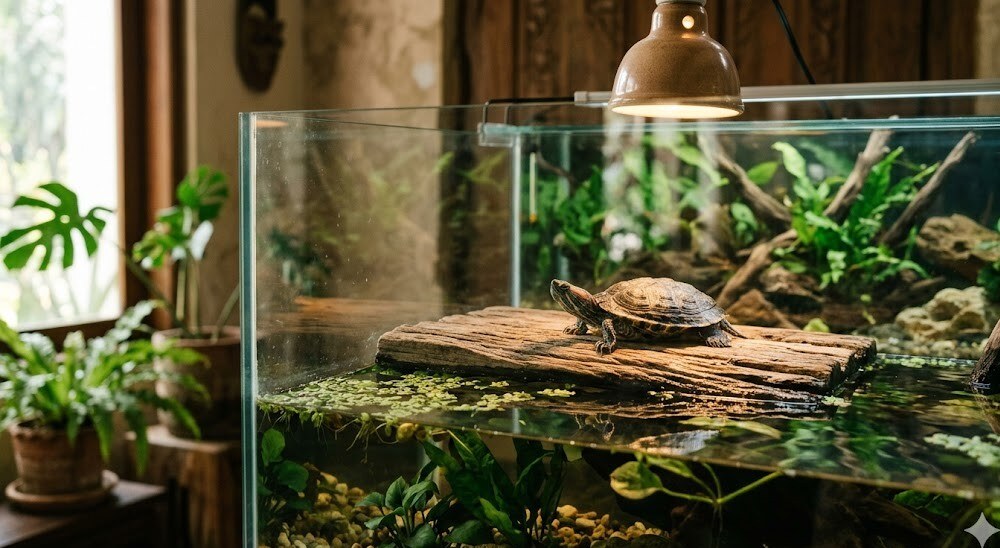
Reptiles do not produce their own body heat like mammals. They depend on environmental temperature to regulate metabolism, digest food, and even maintain immunity. If the enclosure is too cold, digestion slows and the reptile stops eating not out of fussiness, but because its body is not yet ready to digest.
This is the important, often-missed cause: before looking for disease, check the enclosure environment first. Temperature, heat source, and lighting are the first things to confirm.
Common Causes Worth Checking First
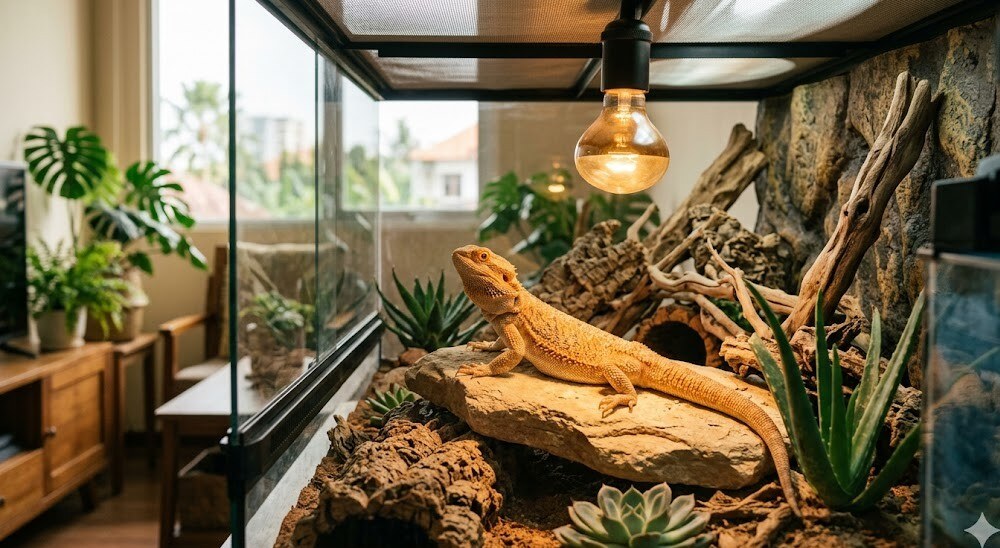
- Incorrect enclosure temperature. Too cold is the most common cause. Make sure there is a temperature gradient, a warm basking area and a cooler area, suited to the species.
- Inadequate lighting. Many reptiles, including land tortoises, need UVB exposure to form vitamin D3 used to absorb calcium. Long-term deficiency can harm bone and shell health and also affect appetite.
- Stress and a new environment. A cage move, loud noise, or excessive handling can make a reptile refuse food temporarily.
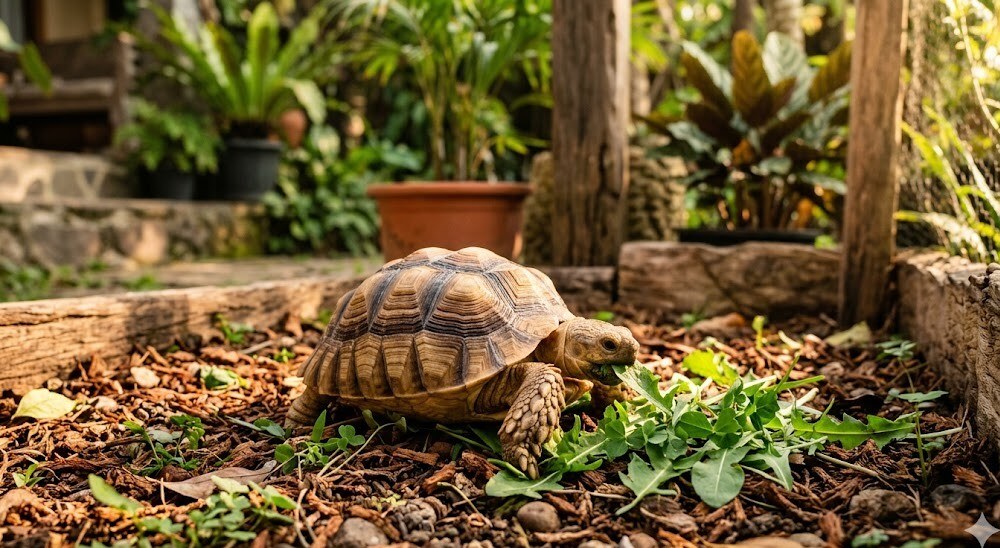
- Seasonal factors (only in some species). Some reptiles and tortoises from temperate regions naturally reduce activity and appetite during certain periods. But this does not apply to all species: tropical land tortoises like the sulcata, for example, should not do this, so for them a food strike warrants more caution. So before assuming it is normal, it is important to confirm your animal's species and tell it apart from an illness.
- Dehydration or an unsuitable diet. A monotonous diet, lack of variety, or an unsuitable way of serving food can also make a reptile reluctant to eat.
Ask the vet by your pet's species
Pick your animal and a pre-filled WhatsApp chat opens so our team knows exactly which species it is.
When Food Refusal Becomes a Danger Sign
Not every food refusal means an emergency, but some accompanying signs need prompt attention:
- A constantly gaping mouth with mucus or bubbles, which can signal respiratory trouble.
- Swollen or closed eyes, and swollen eyelids.
- Lethargy to the point of struggling to lift its head, or constant basking with no other interest.
- Visible weight loss, a thinning body, or a shell that feels light.
- Greatly changed droppings, no droppings for a long time, or blood.
- Swelling, wounds, or a change in shape of the shell and skin.
If food refusal comes with one of these signs, it is best not to delay even if the reptile still appears to move.
Initial Steps You Can Take
Before concluding the worst, recheck the temperature, lighting, and cleanliness of the enclosure. Make sure the reptile has access to clean water and a warm basking area. Note how long it has not eaten and any other changes you observe. This simple record greatly helps when you consult, because in reptiles the enclosure context is as important as the physical symptoms.
You Do Not Have to Guess Alone
Reptiles do demand patience to understand. If you are unsure whether this food refusal is normal or a sign of a problem, asking early is far better than waiting until the condition clearly worsens.
Frequently asked questions
My reptile has not eaten for several days, is it definitely sick?
Not necessarily. Often the cause is an enclosure temperature or lighting that is not yet right. But if it comes with lethargy or other symptoms, it is best to have it examined.
Is it normal for a tortoise to stop eating in cold weather?
It depends on the species. Some tortoises from temperate climates do reduce their appetite during cold periods. But many popular tropical tortoises, like the sulcata, should not fast seasonally. For them, stopping eating when cold is more often a sign of an enclosure that is not warm enough, not normal. So it is safer to consult first than to leave it.
How long is it safe for a reptile to not eat?
It depends greatly on the species, age, and body condition. So it is best judged directly from a description of its condition, not a general benchmark.
I have fixed the temperature but it still won't eat, what next?
If the environment is already correct yet the reptile still refuses food, it is worth assessing a possible health problem. Tell us the details over WhatsApp.
Can I be helped if I am outside Jabodetabek?
Yes, through remote consultation. Many reptile problems relate to enclosure and temperature that can be guided without a physical visit.
Free consultation via WhatsApp
Is your reptile or tortoise refusing food and you are not sure why? Describe its condition over WhatsApp. The initial consultation is free, and we trace it together from the enclosure to its health. Contact us via WhatsApp and mention the type of animal and your area.