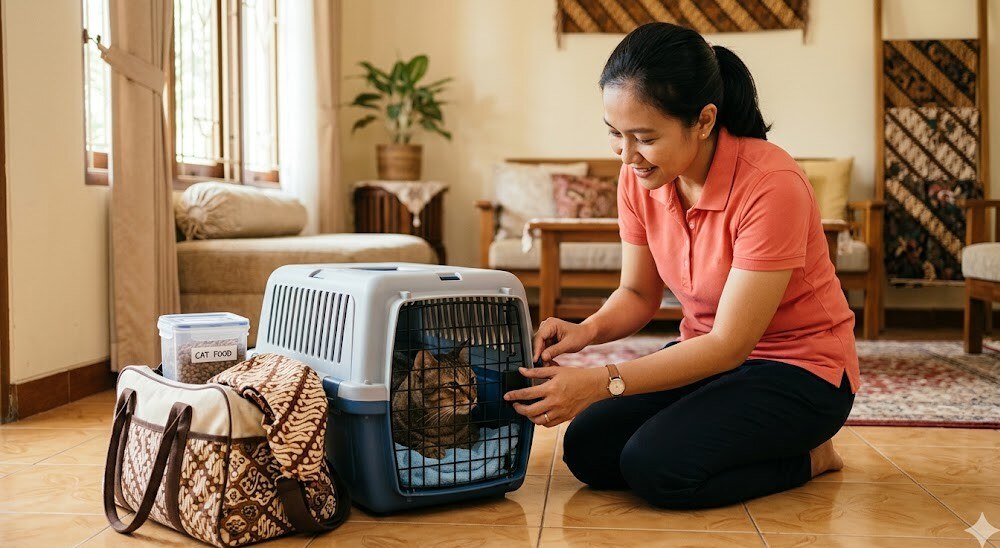

"I'm in early pregnancy, and my family is asking me to get rid of my cat because they say it's dangerous due to toxoplasma. But this cat has been with me for 7 years, she's strictly indoors, she never goes outside. Do I really have to rehome her?" This is a question we hear over and over, and the answer is almost always: no, as long as you understand what zoonosis actually is, where the risk lies, and how to prevent it properly.
A zoonosis is a disease that can be transmitted between animals and humans. In Jakarta, with its tropical climate + high humidity + dense animal and human populations, some zoonoses are more relevant than in cool climates. This article is a practical guide: the 8 main zoonoses you should know about in Indonesia, how they are transmitted, how to prevent them, and a family strategy so that everyone (including pregnant women, young children, and the elderly) stays safe without having to rehome a beloved pet.
What zoonosis is and why tropical Jakarta is more relevant
A zoonosis (zoonotic disease) = a disease that can be transmitted from animals to humans, or vice versa. The pathogens vary, viruses, bacteria, parasites, fungi. Not all animal diseases are zoonotic, and not all zoonoses are severe, many are mild and self-limiting when recognised.
Several reasons why Jakarta (and other tropical Indonesian cities) is more relevant for a discussion of zoonoses:
- High humidity of 70-85% + consistent temperatures of 28-34°C = an ideal environment for the reproduction of vectors (mosquitoes, fleas, ticks), parasites, and some bacteria
- Dense animal + human populations, close contact is more frequent, both with pets and with stray animals (rats, street cats, street dogs)
- Seasonal flooding, increases exposure to waterborne pathogens (leptospira), especially during post-flood cleaning
- Inconsistent veterinary healthcare access in some areas, the unvaccinated animal population is larger than in countries with dense vet infrastructure
But: having a pet ≠ automatically high zoonotic risk. With the right prevention strategy, the risk can be minimised to very low, even for families with a pregnant woman, young child, or immunocompromised elderly member.
8 main zoonoses you should know about in Indonesia
1. Rabies, the most fatal, the most preventable
Pathogen: Rabies virus (genus Lyssavirus, family Rhabdoviridae).
Transmission: The bite of an infected animal (dogs most commonly, also cats, bats, monkeys). Saliva containing the virus enters through the wound. The virus travels via the nerves to the brain, the incubation period is 1-3 months (sometimes up to 1 year) depending on the bite location.
Indonesia status: Rabies is endemic in many Indonesian provinces. Some islands (Java including Jakarta, Bali, parts of Sumatra) have varying risk status, always check the latest Ministry of Agriculture/Ministry of Health updates. Once clinical symptoms appear, mortality is almost 100%, which is why prevention is absolute.
Prevention:
- Rabies vaccination for dogs + cats = protection standard #1. First vaccine at 3 months of age, annual booster (or per the specific vaccine protocol)
- Keep pets away from wild animals, pet dogs/cats that interact with street cats, stray dogs, or bats are at risk of infection
- If you are bitten by an unvaccinated animal or one whose vaccine status is unknown: IMMEDIATELY wash the wound with soap + running water for at least 15 minutes, then go straight to hospital for evaluation for post-exposure prophylaxis (PEP, human rabies vaccine + immunoglobulin if needed). The time window is crucial, PEP started within the first 24 hours is most effective
- DO NOT wait to see whether the animal shows symptoms, if the animal's vaccine status is unclear, start PEP. The animal can be observed in parallel for 10 days
2. Leptospirosis, the hidden danger after Jakarta floods
Pathogen: Leptospira spp bacteria (many serovars).
Transmission: The urine of infected animals (rats, dogs, cattle, pigs, sometimes cats) → contamination of water/soil/standing water → enters the human body via skin wounds, mucous membranes (eyes/mouth/nose), or ingestion. Flooding = a risk magnifier because rat urine is distributed widely via floodwater.
Symptoms in humans: Sudden fever, headache, muscle pain (especially in the calves), red eyes, jaundice in severe cases (Weil's disease). It can be fatal if treatment is delayed (organ failure).
Prevention:
- Leptospirosis vaccination for dogs, already part of the core/non-core vaccine protocol in Indonesia, available at routine vet clinics. There is no routine lepto vaccine for cats yet
- Rat population control in and around the home (traps, sealed food sanitation, blocking rat access points)
- After a Jakarta flood: wear boots + gloves when cleaning, avoid getting wounds in contact with floodwater, wash hands + body with soap after contact. Details on animal + human safety during Jakarta floods
- Pets that often walk in puddle-prone areas, the lepto vaccine is more important than for a dog that is almost always at home
- Suspect lepto if you have a fever with severe calf pain after flood exposure, go to hospital promptly with that exposure history. Quick diagnosis + antibiotics (doxycycline) is life-saving
3. Toxoplasmosis, the most misunderstood
Pathogen: Toxoplasma gondii (a protozoan parasite).
Transmission: Three main routes:
- Swallowing oocysts from the faeces of an infected cat (hand-to-mouth contamination)
- Swallowing cysts from undercooked meat (more common than from cats!)
- Transplacental transmission from a mother newly infected for the first time during pregnancy to the foetus
The actual risk in humans: Most healthy adults who become infected with Toxoplasma have no symptoms or only mild flu-like symptoms, then form lifelong antibodies. The main danger: a pregnant woman infected for the first time during pregnancy (primary infection), this can cause foetal defects (eye damage, hydrocephalus, etc). A mother who was already infected before pregnancy (already has antibodies) is not at risk of transmitting it to the foetus.
Myth vs fact for cat owners:
- MYTH: "Having a cat = danger for pregnant women."
- FACT: An indoor house cat that eats commercial kibble + does not hunt prey + does not eat raw meat = very low risk as a source of toxoplasma. A cat can only shed oocysts if it is primary-infected (usually only for a few weeks in its life), and the oocysts take 1-5 days in the faeces before becoming infectious
- FACT: The main source of human toxoplasma infection in many studies is undercooked meat (satay, medium-rare steak, jerky), not cats
Prevention for the family (especially pregnant women):
- Cook meat thoroughly, internal temperature 71°C+. Avoid rare/medium-rare steak during pregnancy
- Wash vegetables + fruit thoroughly, especially those eaten raw (fresh greens, salad)
- Wash hands after handling raw meat, after gardening (soil can be contaminated by street cat faeces), after handling the litter box
- Clean the cat's litter box every day (oocysts take 1-5 days to become infectious, if cleaned daily, the risk is very low). Pregnant women: ask someone else to handle the litter box, or wear gloves + wash hands thoroughly afterwards
- Keep the house cat indoors, not hunting prey, not accessing raw meat, it will not become a source of toxoplasma
- Serology testing before pregnancy (for those who want to know their status), if you already have Toxoplasma IgG antibodies, you are not at risk of transmission to the foetus during pregnancy
A beloved cat does NOT need to be rehomed during pregnancy, with the prevention strategy above, the risk is controlled. The emotional stress of losing a beloved cat also has health implications for a pregnant woman.
4. Worm infection (cutaneous larva migrans + visceral larva migrans)
Pathogen: Toxocara canis (dogs), Toxocara cati (cats), Ancylostoma spp (hookworm). Larvae from worm eggs that are swallowed by humans or penetrate the skin.
Transmission:
- A child playing in sand/soil contaminated with dog/cat faeces → eggs swallowed via hand to mouth → visceral larva migrans (in Indonesia young children are most at risk because of their habit of playing in sand + hand to mouth)
- Walking barefoot on contaminated soil/sand → hookworm larvae penetrate the skin of the feet → cutaneous larva migrans (itchy, winding red lines)
Prevention:
- Routine deworming for pets, puppies/kittens every 2-4 weeks until 3 months, then every 3-4 months for life. This is not optional, it is the standard
- Wash children's hands after playing in sand/soil, after handling animals, before eating
- Cover the sandbox if you have one at home (street cats like to defecate in open sandboxes)
- Cover the cat litter box + clean daily
- Footwear at the beach or in unfamiliar outdoor areas
- Pets that are vaccinated + dewormed routinely = a safe home ecosystem
5. Ringworm / Dermatophytosis
Pathogen: Fungi (Microsporum canis most common from cats/dogs, Trichophyton spp from dogs/the environment).
Transmission: Direct contact with an infected animal or spores in the environment (towels, combs, bedding).
Symptoms in humans: A circular reddish skin lesion with a raised edge (a "ring"), itching, scaling. Children are more often affected, often on the scalp, neck, arms.
Prevention:
- An animal with ringworm should be treated by the vet, systemic + topical antifungal, environmental decontamination (bedding, toys, combs washed with detergent + bleach)
- Wash hands after handling an infected animal
- Keep human vs animal towels + combs separate
- New animals from a shelter/pet shop, observe for 2 weeks before intensive contact with other family members (especially children)
- Self-limiting in many human cases, but it is still recommended to see a doctor for confirmation + quick treatment
6. Bartonella henselae / Cat-Scratch Disease
Pathogen: Bartonella henselae bacteria (primarily), transmitted via cat fleas (Ctenocephalides felis).
Transmission: A scratch or bite from an infected cat (especially a kitten with fleas). The pathogen is in the flea faeces that is inoculated via the scratch.
Symptoms in humans: A pustule/papule lesion at the scratch site 3-10 days after exposure, swelling of the regional lymph nodes 1-3 weeks later, fever, malaise. Usually self-limiting within 2-4 months but can be severe in the immunocompromised.
Prevention:
- Cat flea control = prevention #1. Monthly spot-on or oral preventative (fipronil, selamectin, fluralaner) for all house cats, especially those with outdoor access
- Avoid rough play that triggers scratching, especially with kittens (which are more often carriers)
- Wash immediately with soap if scratched by a cat, apply antiseptic
- Young children + the immunocompromised: extra care with flea-infested cats
Details on flea + tick control for dogs and cats in Jakarta.
7. Salmonella + Campylobacter (gastroenteritis)
Pathogen: Salmonella spp, Campylobacter jejuni bacteria.
Transmission: Contact with the faeces of an infected animal (often an asymptomatic carrier), or contamination from raw meat handling. Animals fed a raw food diet are more often carriers.
Symptoms in humans: Diarrhoea (sometimes bloody), abdominal cramps, fever. Usually self-limiting, but it can be severe in young children + the elderly + the immunocompromised.
Prevention:
- Wash hands after handling animals, especially after cleaning up faeces or vomit
- Be careful with raw food diets for pets, if used, handling must be separate (cutting board, container, thorough handwashing). Some families with young children/pregnant women/elderly are safer switching to kibble or a gently cooked diet
- An animal with diarrhoea, keep separate from intensive interaction with children + the elderly until the diarrhoea resolves
- Cook meat thoroughly for human consumption (zoonosis is not always directly from the pet, it is often from food chain contamination)
8. MRSA / MRSP, Multi-drug Resistant Staphylococcus
Pathogen: Methicillin-Resistant Staphylococcus aureus (human-origin, transmitted to animals + back) + Methicillin-Resistant Staphylococcus pseudintermedius (dog-origin).
Transmission: Direct skin contact, especially via wounds. Reverse zoonosis often occurs, an MRSA-positive owner can "infect" their pet, which then becomes a reservoir for re-infection.
Prevention:
- Wash hands after handling an animal with a skin wound or active skin infection
- An animal with recurrent skin infections, culture + sensitivity by the vet to identify MRSP and appropriate treatment
- Responsible antibiotics, DO NOT give animals antibiotics without a vet's prescription. Antibiotic overuse = a major driver of resistance
- Families with a member in a healthcare setting (nurse, doctor), more frequent exposure → more careful hand hygiene when handling animals
Practical family prevention strategy, 7 steps
Rather than memorising pathogen by pathogen, it is more practical to adopt 7 comprehensive steps that handle most zoonotic risks at once:
1. Up-to-date vaccination for all pets
Core vaccines (rabies, distemper-parvo for dogs, panleukopenia + rhinotracheitis for cats) + relevant non-core vaccines (leptospirosis for dogs with outdoor access). Schedule per your vet's protocol. Annual booster at minimum for rabies (and depending on the other vaccines). Complete cat vaccine schedule + puppy dog vaccine schedule.
2. Routine parasite prevention (deworming + flea-tick control)
Oral deworming every 3-4 months for adults, more frequently for puppies/kittens. Monthly flea-tick prevention (spot-on or oral). Discuss with your vet for products + protocols suited to your pet's lifestyle. Details on worms + routine deworming.
3. Consistent hand hygiene
Wash hands with soap + running water after: handling animals (especially when an animal is sick), cleaning the litter box or dog waste, gardening, before eating, before preparing food, after handling raw meat. For young children, supervised handwashing is essential because they frequently put their hands in their mouths.
4. Cooked meat + food safety
Thoroughly cooked meat for human consumption. Be careful with raw food diets for animals if there is a pregnant woman/young child/immunocompromised person at home. Wash vegetables thoroughly. Use separate cutting boards for raw meat vs vegetables.
5. Home sanitation
Clean the litter box at least daily (toxoplasma oocysts take time to become infectious). Wash animal bedding + toys regularly. Sweep + mop floors in areas frequently used by animals. Cover the children's sandbox. Control rat + insect populations (vectors of lepto, bartonella, etc).
6. Regular vet check-ups for animals
An annual wellness check at minimum, even for animals that appear healthy. Many zoonoses can be detected early (parasites via faecal exam, ringworm via culture, etc). It is cheaper to prevent + treat early than to treat the whole family after an outbreak.
7. Awareness for high-risk family members
Pregnant women, children <5 years, the elderly, and the immunocompromised (chemotherapy, HIV, transplant recipients, autoimmune) need extra precautions, not to rehome the animal, but to minimise specific exposures (handling the litter box, raw meat, sick animals, etc). Consult both a doctor + a veterinarian for a strategy tailored to the specific condition.
FAQ on zoonosis for pet-owning families
I'm pregnant and have 2 cats. Do I really have to rehome them?
Almost always no. Per the recommendations of the CDC + international veterinary organisations, a pregnant woman can keep living with beloved cats with the right prevention: someone else handles the litter box (or wear gloves + wash hands thoroughly), keep cats indoors only (not hunting prey, not accessing raw meat), feed commercial kibble, deworm regularly, wash hands after cuddling. The main source of human toxoplasma infection is not pet cats, it is undercooked meat. Pre-conception serology testing is optional so you know your antibody status.
My child was bitten by a stray cat while playing. Should I worry about rabies?
It depends on the circumstances: wash the wound IMMEDIATELY with soap + running water for 15 minutes, then go straight to a hospital / community health centre for evaluation. The doctor will assess: the cat's condition (if it can be caught for 10-day observation), the area of Jakarta and the local rabies status, the depth of the wound. If the animal cannot be caught or its vaccine status is unknown = post-exposure prophylaxis (PEP) is usually recommended. DO NOT delay PEP, the time window is crucial.
I just adopted a cat from a shelter. I have a 1-year-old baby. What should I check first?
Before the cat interacts intensively with the baby: (1) a thorough vet check, physical exam, faecal exam for parasites, FeLV/FIV test, ringworm screening, (2) deworming + up-to-date vaccination, (3) flea-tick treatment, (4) observe for 2 weeks for any symptoms. Hand hygiene is essential for all family members + the baby must not handle the litter box or cuddle the cat without supervision + handwashing. After the vet gives clearance + a clean observation period, normal interaction is safe.
My dog licked my wound while it was still fresh. Is that dangerous?
Low-to-moderate risk. Dog saliva contains some bacteria (Pasteurella, Capnocytophaga, etc) that can cause local infection in an open wound. Wash the wound with soap + apply antiseptic. If you are immunocompromised (diabetes, chemotherapy, splenectomy), contact your doctor for evaluation of prophylactic antibiotics. For healthy people, watch for signs of infection (redness, heat, progressive pain, pus). No need to panic, but prevent it next time, don't let the dog lick a fresh wound.
Can my 5-year-old indoor cat that never goes out "carry" toxoplasma?
Very unlikely. A cat is only infected with Toxoplasma from ingesting prey (rats, birds) or raw meat, if your cat is fully indoor + on a kibble diet, exposure to this parasite is almost nil. Even if it was once infected early in life, it only sheds oocysts for a few weeks in its lifetime (acute infection), after which it has protective antibodies. A serology test on your cat can confirm this if you are concerned.
I live in a flood-prone area of Jakarta. My dog is fully vaccinated. Am I still at risk of lepto?
The dog's lepto vaccine does not protect you, it protects your dog from illness + reduces shedding (a transmission source). You yourself are at risk of lepto from rat urine in floodwater, regardless of the dog's vaccine status. After a flood: wear boots when cleaning, avoid contact between floodwater and skin wounds, wash thoroughly after exposure. If you get a sudden fever + calf pain after a flood → go to a doctor promptly with that exposure history.
Can I catch a disease from my aquarium fish?
Yes, although rarely. Mycobacterium marinum ("aquarium granuloma") from infected fish can cause a local skin infection if you have a hand wound while handling the aquarium tank. Prevention: wear gloves when cleaning the aquarium if you have a skin wound on your hand, and wash your hands afterwards. Self-limiting in many cases, sometimes requiring specific antibiotics if severe.
Summary
- Zoonosis = animal-to-human disease (or vice versa), most can be prevented with practical strategies, without having to rehome the animal
- Jakarta's tropical climate + high humidity + dense populations = some zoonoses are more relevant, but still manageable with the right prevention
- The 8 main zoonoses in Indonesia: Rabies (fatal, preventable via vaccine), Leptospirosis (flood-related), Toxoplasmosis (mostly a myth if the cat is indoors), worms (children at risk), Ringworm (skin fungus), Bartonella (cat-scratch, flea control), Salmonella/Campylobacter (raw food caution), MRSA/MRSP (responsible antibiotics)
- Toxoplasma + pregnant women: an indoor house cat is NOT the main source of risk, undercooked meat is more common. With the right prevention (someone else handles the litter box, cooked meat, handwashing), a beloved cat is still safe to keep during pregnancy
- 7 family prevention steps: up-to-date vaccination + parasite prevention + hand hygiene + cooked meat + home sanitation + regular vet check-ups + awareness for high-risk members
- High-risk family members (pregnant, children <5, elderly, immunocompromised) need a specific strategy, not rehoming by default. Consult both a doctor + a veterinarian for a plan suited to the condition
If you have a specific question about the zoonotic risk in your family, for example a pregnant woman + cat, a young child + new dog, an immunocompromised elderly member + a long-time pet, our initial consultation is free via WhatsApp. We'll help assess the specific risk for your family's situation and put together a practical prevention strategy.
Read also: Pet Emergency Guide, Complete Cat Vaccine Schedule, Puppy Dog Vaccine Schedule, Worms in Dogs and Cats in Jakarta, Jakarta Floods and Pet Safety, Fleas and Ticks in Dogs and Cats in Jakarta.
Medical references used in this article
This article was prepared with reference to the following sources:
- CDC (Centers for Disease Control and Prevention), Veterinary Public Health + Healthy Pets Healthy People resources
- WHO (World Health Organization), Zoonosis surveillance + One Health framework
- WSAVA (World Small Animal Veterinary Association), One Health Committee guidelines
- ACVIM Consensus Statement on Companion Animal Zoonoses (Brown et al.)
- AAFP/ISFM (American Association of Feline Practitioners + International Society of Feline Medicine), Zoonoses Position Statement
- Greene CE. Infectious Diseases of the Dog and Cat 5th edition, chapters on rabies, leptospirosis, toxoplasmosis
- Sykes JE. Canine and Feline Infectious Diseases, chapter on zoonotic considerations
This article is a general guide for pet-owning families in the tropical Indonesian climate. Every family has a specific risk configuration (high-risk members, type of animal, lifestyle), consulting both a doctor + a veterinarian for a personalised prevention strategy is the right step.