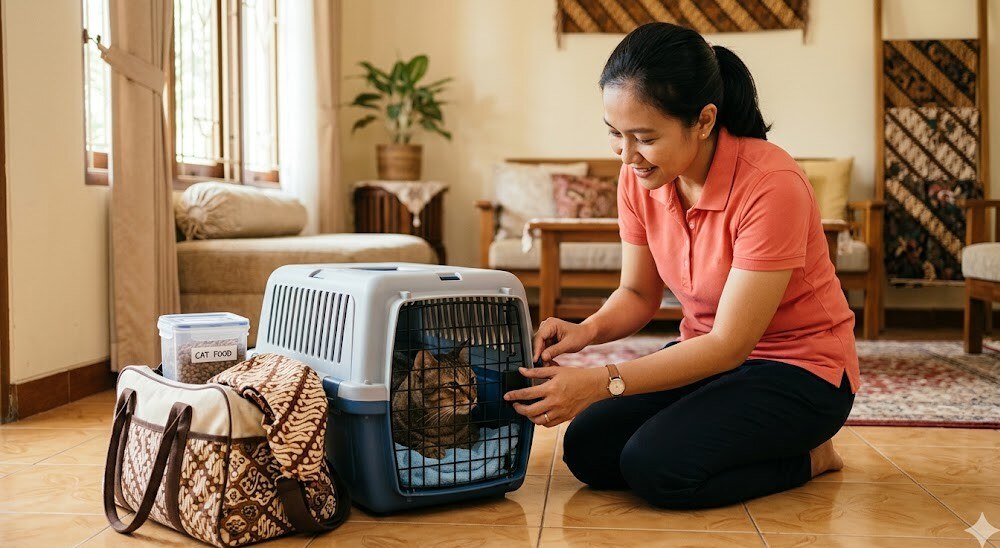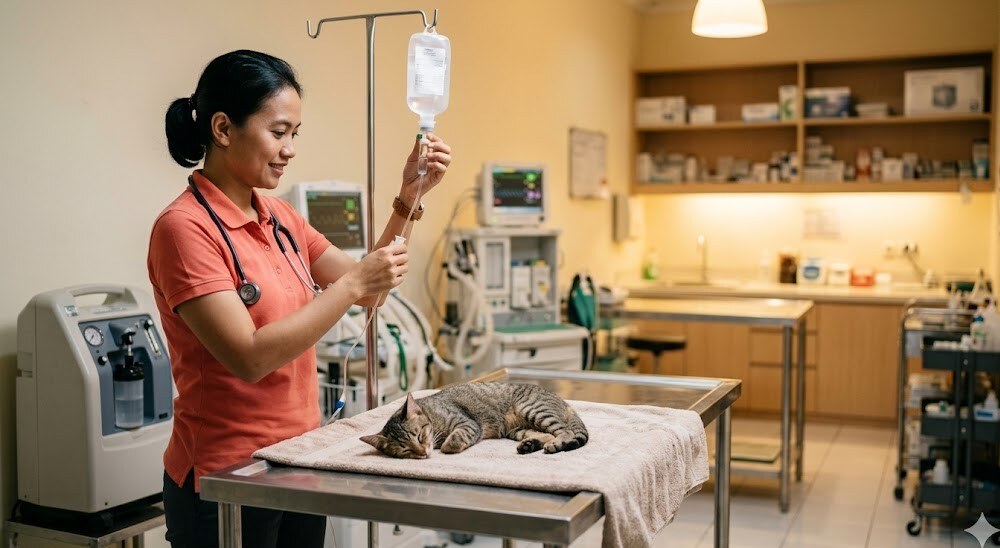

"My Persian cat has had an occasional cough for 2 weeks now, especially in the morning. I checked Jakarta's AQI this week and it was often at 150-180. I live in an apartment in Sudirman, with a balcony near a main road. Could air pollution make a cat cough like this? Or is there another cause?" This question comes up more and more from Jakarta pet owners as the AQI stays consistently high throughout the year. The short answer: yes, air pollution can affect a pet's airways, sometimes even more intensely than in humans, because of the different anatomy and respiratory ratio.
This article is a practical guide for pet owners in Jakarta: why dogs and cats are vulnerable to air pollution, the signs of respiratory impact you should recognize, the populations that are extra vulnerable, and realistic day-to-day protection strategies.
The Jakarta context, high AQI as a constant urban backdrop
Jakarta consistently ranks among the cities with the worst air quality in Southeast Asia. Data from monitoring apps (IQAir, AirVisual, BMKG) shows:
- AQI often in the unhealthy range (150-200) during the dry season, sometimes reaching very unhealthy (200-300) when there are land fires or atmospheric inversion
- Concentrations of PM2.5 (fine particles <2.5 microns) often above the safe WHO limit (15 µg/m³ for 24-hour exposure), sometimes 3-5 times that limit
- Pollution hot spots: the main Sudirman-Thamrin-Kuningan corridor, Cawang-Cililitan, the ring road with dense traffic, areas near the Cilincing, Marunda, and Tangerang industrial zones
- High tropical humidity worsens the perception because particles can bind with water vapor and linger longer in the lower atmospheric layer
For pet owners living in suburban landed houses (BSD, Bintaro, Depok, central Bekasi), the AQI is relatively a little better than the central corridor, but still often exceeds the safe WHO limit. There is no area in Greater Jakarta that is truly "clean" of urban air pollution.
Why pets are more vulnerable to air pollution than humans
1. Higher respiratory rate per kilogram
Cats and small dogs have a higher breath-rate-per-body-weight ratio than adult humans. A resting cat breathes 20-30 times per minute, a small dog 15-30 times per minute, while an adult human is only 12-20 times per minute. This means: for the same body weight, the volume of air entering the lungs per day is proportionally larger for pets. The same pollution by concentration = more intense cumulative exposure.
2. Breathing height closer to ground level
Pets breathe at a height of 30-80 cm from the ground (depending on size), where PM2.5 concentrations and vehicle exhaust emissions are usually higher than at the breathing height of an adult human (150-180 cm). A dog walking on the sidewalk along Sudirman gets a more concentrated dose of exhaust emissions than its owner walking beside it.
3. Airway anatomy that is more vulnerable in certain breeds
Brachycephalic breeds (Pug, French Bulldog, English Bulldog, Persian, Exotic Shorthair, Himalayan) have a structurally narrowed upper airway. Pollution that triggers mucosal inflammation in the nose and trachea will have a proportionally greater impact because the airspace is already limited. The combination of brachycephalic + Jakarta AQI = double risk.
4. They cannot consciously "move away" from exposure
Humans can wear a mask, move to an air-conditioned room, or avoid outdoor activity. Pets depend entirely on the owner's decisions, if the owner does not monitor the AQI or adjust the activity schedule, the pet has no agency to avoid exposure.
5. A cat's grooming behavior worsens PM exposure
Cats groom almost constantly, fine particles that stick to the fur (from outdoor or indoor dust) get ingested during grooming. Some contaminants are inhaled, some ingested. This is an additional exposure route that humans do not have.
Signs of respiratory impact you should recognize
Some pets will show clear signs when the AQI is high, some accumulate damage over months without dramatic signs. What to watch for:
In dogs
- Persistent cough, not occasional after running, but a cough that recurs every day, especially after outdoor activity or in the morning/evening when the AQI is high
- Recurrent sneezing with or without clear nasal discharge
- Watery eyes or conjunctival irritation
- Reverse sneezing that is more frequent (a sound like rapid gasping, usually mild, but if it becomes frequent, there is irritation)
- Lethargy on extreme AQI days, a normally energetic dog appears listless, refuses walks
- More intense brachycephalic snoring/snorting, if you own a Pug or Bulldog, you may notice that on some days the dog's breathing sounds heavier, this often correlates with the AQI
- Reduced exercise tolerance, a dog that used to walk 1 km without panting now stops at 500 meters
In cats
- Coughing, a coughing cat is ALWAYS abnormal. Even one cough episode you hear = it needs attention. Cats do not cough from "something in the throat", if a cat coughs, there is inflammation or irritation in the lower airways
- A crouched position with the neck extended while coughing (like a hairball coming up), this is often misinterpreted as a hairball when it is actually an asthma episode
- Wheezing, a whistling sound when breathing, especially on expiration
- Open-mouth breathing, cats do not pant unless under severe stress or distress. Open-mouth breathing at rest = an emergency, not just a mild pollution effect
- Chronic runny nose without fever (not a viral infection)
- Reduced activity on high AQI days
- Feline asthma flare-up, a cat already diagnosed with feline asthma usually needs the rescue inhaler more often when the AQI is high. PM2.5 and ozone are confirmed triggers for feline asthma
Signs that need immediate vet evaluation (do not wait and see)
- Coughing up blood
- Difficulty breathing with the abdomen moving intensely during breathing
- Bluish gums or tongue (cyanosis)
- Open-mouth breathing in a cat at rest
- A cough that does not stop for more than 7 days
- Episodes of collapse or fainting
The signs above are a respiratory emergency, not pollution-only, but pollution can be one of the triggers in pets that already have an underlying condition (heart disease, chronic bronchitis, asthma).
Pet populations that are extra vulnerable in Jakarta
Puppies and kittens, still-developing lungs
A young pet's lungs are still in a phase of structural development until around 1-2 years of age. Chronic PM2.5 exposure during the developmental period can affect permanent lung capacity. For owners of puppies/kittens in Jakarta, indoor air quality management is a long-term investment, not optional.
Seniors with underlying conditions
- Senior dogs with heart disease (mitral valve insufficiency is common in small breed seniors), pollution worsens an already compromised cardiac load
- Dogs with chronic bronchitis or a collapsing trachea (common in Yorkies, Pomeranians, Chihuahuas), pollution triggers more frequent episodes
- Senior cats with kidney disease, although not primarily respiratory, the dehydration that often accompanies CKD makes the clearance of inhaled particles slower
Brachycephalic, a risk multiplier
Already mentioned above, but worth emphasizing: the combination of brachycephalic + Jakarta = breeds that cannot "compensate" well. Owners of Pugs, Bulldogs, and Persians in Jakarta need to treat high AQI as a manageable medical condition, not merely an inconvenience.
Asthmatic cats, confirmed sensitivity
Feline asthma is a chronic airway inflammation with a fairly high prevalence (estimated 1-5% of cats). Triggers include dust, smoke (cigarettes, incense, candles), pollen, and outdoor particulate matter. Cats with confirmed asthma in Jakarta need active management including AQI monitoring and rescue medication (bronchodilator + corticosteroid via inhaler with a spacer) per the vet's instructions.
Daily protection strategies
1. AQI monitoring as a daily habit
- Install a monitoring app (IQAir, Plume Labs, BMKG) on your phone, check the AQI before outdoor activity
- AQI <100 (moderate or good), normal outdoor activity is still fine for healthy pets, but brachycephalic and senior pets should still be careful
- AQI 100-150 (unhealthy for sensitive), brachycephalic, senior, and asthmatic cats had better stay indoors. Healthy pets can still go outdoors briefly; choose the morning or evening
- AQI >150 (unhealthy for all), all pets should minimize outdoor time. Dogs do their business in the yard quickly, cats stay inside, brachycephalic dogs do not go out at all
- AQI >200 (very unhealthy), all pets indoors, windows closed, air purifier on
2. Indoor air quality management
Because your pet spends 80-90% of its time inside the house, indoor air quality is the most impactful lever:
- HEPA filter air purifier, this is the most worth-it investment for pet owners in Jakarta. A filter rated True HEPA H13 or H14 can capture >99% of 0.3 µm particles. Place it in the room where the pet spends the most time (the bedroom if you co-sleep, the living room, a dedicated room). The filter capacity must match the room size (check the CADR rating)
- Close the windows when AQI >100, even if it feels stuffy, indoors without outdoor input + an air purifier is cleaner than indoors with polluted outdoor ventilation
- Avoid indoor pollution sources: smoking inside the house (tobacco smoke = a very strong feline asthma trigger), incense (Persians are very sensitive), aromatherapy candles (a confirmed cat asthma trigger), spray aerosols (perfume spray, hairspray, room deodorizer), cleaners with harsh chemicals (ammonia, bleach), deep-frying without ventilation
- HEPA-equipped vacuum regularly (2-3x a week) to reduce dust + fur that trap pollutants
- Wash the pet's bedding weekly, particles accumulate
- Moderate indoor plants, some plants have a filtering effect (spider plant, peace lily, snake plant), a marginal bonus, not a substitute for an air purifier
3. Adjust the dog's walk route
- Avoid the sidewalks of major corridors, Sudirman, Thamrin, Kasablanka, Antasari, Fatmawati during rush hours. Direct exhaust emissions from vehicles are the highest dose
- Choose parks with a thick tree canopy, Taman Suropati, Taman Honda Tebet, Hutan Kota Srengseng, Hutan Kota GBK in the morning (before the busy exercise sessions). Trees absorb some PM2.5 and provide a cleaner microclimate
- Quiet residential complexes in South Jakarta, Bintaro, BSD, and suburban Depok areas are usually cleaner than the main road
- Activity schedule: early morning (before 7 AM) or evening (after 7 PM) usually has lower AQI than midday. Bonus: cooler = a double benefit in Jakarta
- Walk duration, when the AQI is marginal (75-100), short but frequent walks (15-20 minutes twice a day) are better than one long 1-hour session
4. Adequate hydration
Good hydration helps mucociliary clearance (the process of clearing mucus + particles from the airways). A dehydrated pet has thicker mucus and slower clearance, particles get trapped longer. Make sure:
- Clean water in multiple locations, changed twice a day
- An automatic fountain for cats reluctant to drink from a still bowl
- Wet food as part of a cat's diet (high water content)
5. Brachycephalic special care
- Outdoors only during cool times with AQI <100, ideally AQI <75
- Avoid intense exercise (running, long ball-chasing), their tolerance is already limited even without pollution
- AC at home is almost non-negotiable for Pugs and Bulldogs in Jakarta, not a luxury
- Manage ideal body weight, overweight + brachycephalic + pollution = compound risk
- Discuss a BOAS (Brachycephalic Obstructive Airway Syndrome) evaluation with your vet, some extreme brachycephalic dogs need surgical intervention for optimal lung function
6. HEPA masks for dogs, a realistic option?
Some brands offer anti-pollution masks for dogs. The practical reality: most dogs do not tolerate a mask (they tend to remove it, develop anxiety, and it interferes with panting, which serves as thermoregulation in hot Jakarta). For specific cases (a dog with respiratory disease that must have limited outdoor time), it might be considered with gradual training, but it is not a mainstream solution. More effective: minimize outdoor time when the AQI is high rather than relying on a mask.
7. Outdoor enclosure ventilation
Pets that mostly live outside the house (outdoor enclosures, the yard), a setup that is generally not ideal in Jakarta, need an enclosure with full shade + air ventilation but protected from road dust + constant access to clean water. Consider moving them indoors or semi-indoors when the AQI is high.
When to see a vet
- A cough for more than 7 days even if mild, needs evaluation (thoracic radiography + auscultation + baseline bloodwork if senior)
- A cough with reduced activity or weight, this combination suggests a more serious condition than simple irritation
- Recurrent sneezing with purulent discharge (yellow/green), could be a secondary infection
- Difficulty breathing, open-mouth breathing in cats, cyanosis, an emergency, go straight to a 24-hour clinic
- A cat with suspected asthma, diagnosis is usually thoracic radiography (characteristic lung pattern), sometimes bronchoalveolar lavage. Standard treatment: a combination of inhaled corticosteroid (fluticasone via a spacer chamber) for maintenance + a rescue bronchodilator (terbutaline or albuterol) during a flare-up. Management requires a vet consultation for the correct dose and technique, DO NOT experiment with a human inhaler on a cat without supervision
- A dog with suspected chronic bronchitis, diagnosis is similar, treatment is often a combination of anti-inflammatory + bronchodilator + lifestyle modification
Air pollution and Jakarta pets FAQ
My cat only goes out to the balcony, is it still affected by pollution?
It depends on the balcony's location. If the balcony faces a main road (Sudirman, Antasari, Casablanca), exposure is high, especially during rush hours. If the balcony faces inside the complex or a park, exposure is lower. But indoors can also be exposed via ventilation, fine particles enter through gaps in doors/windows. A HEPA air purifier is still recommended even for a fully indoor cat in Jakarta.
I use a cheap air purifier from Tokopedia, is it enough?
It depends on the specs. What matters to check: (1) a True HEPA filter (not "HEPA-type" or "HEPA-like", this is marketing language with no standard), (2) a CADR rating that matches the room size, (3) filter maintenance (HEPA filters must be replaced every 6-12 months). A cheap air purifier with a True HEPA H13 can actually work effectively if its specs are right. What is a scam: an "ionizer" that produces ozone (which actually worsens things for asthmatic pets) without a physical filter.
My dog is a 9-year-old Pomeranian and has started coughing in the morning. Pollution or chronic bronchitis?
It could be both, and they interact. Pomeranians are among the breeds predisposed to collapsing trachea and age-related chronic bronchitis. Jakarta air pollution can exacerbate the underlying condition. Recommendation: consult a vet for an evaluation (thoracic radiography + tracheal assessment). In the meantime, indoor air quality management + minimizing outdoor time when the AQI is high are immediate steps that are safe and will help whatever the underlying cause is.
Are incense or aromatherapy candles at home really dangerous for cats?
Yes, especially for cats with asthma or brachycephalic cats. Incense and candle smoke (especially scented) release particulate matter + volatile compounds that trigger airway inflammation. Some cats tolerate it, some have severe flare-ups. For a home with cats, especially Persians or cats that have already coughed, it is better to avoid incense, scented candles, and spray aerosols. Essential oil diffusers are also risky (some essential oils are toxic to cats, tea tree, eucalyptus, citrus, peppermint, pine).
How long after the AQI drops does the effect on pets also drop?
Acute effects (irritation, mild cough) usually subside within 24-48 hours after exposure drops. But the cumulative effect of chronic exposure over years does not disappear in a few days, structural changes to lung tissue may be permanent. This is why consistent protection is more important than reacting only when the AQI is extreme. Pets protected consistently over years (indoor air quality + conscious outdoor timing) will have far better respiratory health in their senior years than those chronically exposed.
Should adopting a new puppy/kitten be avoided when the AQI is extreme?
Adoption can still be done, but make sure the home is ready with an air purifier + a plan to minimize outdoor exposure in the early months. A puppy newly arriving in Jakarta with high AQI + acclimatization stress + exposure to new pollutants = a less-than-ideal combo. Better to bring it home and keep it indoors with clean air for the first 2-3 weeks, then gradually introduce outdoor time with chosen AQI timing.
Summary
Jakarta air pollution is a constant urban backdrop that has a real impact on pets' respiratory health. Some impacts are acute (irritation, cough), some are long-term cumulative damage:
- Pets are more vulnerable than humans because of a higher respiratory rate per kg + breathing height close to the ground + the inability to move away from exposure on their own
- Signs of respiratory impact, persistent cough, recurrent sneezing, lethargy on high AQI days, asthma flare-up in cats (crouched cough + wheezing + open-mouth breathing)
- Extra-vulnerable populations: puppies/kittens (developing lungs), seniors with underlying conditions, brachycephalic (risk multiplier), confirmed asthmatic cats
- Protection strategies: habitual AQI monitoring, a mandatory indoor HEPA air purifier for Jakarta, closing windows when AQI is high, avoiding indoor pollution sources (cigarettes, incense, scented candles, aerosols), adjusting the dog's walk route (avoid main corridors, choose shaded parks), early morning or evening scheduling, brachycephalic special care, adequate hydration
- See a vet for a cough >7 days, difficulty breathing, coughing up blood, or open-mouth breathing in cats. Feline asthma is manageable with proper diagnosis + inhaled treatment (fluticasone via spacer + rescue terbutaline/albuterol) under veterinary supervision
- Consistent protection has more impact than reacting only when the AQI is extreme, a pet protected throughout its life will have far better respiratory health in its senior years
If your pet shows respiratory signs that are not yet clear, persistent cough, recurrent sneezing, or you are worried about the impact of Jakarta's AQI, our initial consultation is free via WhatsApp. Send a video of your pet's condition (especially while coughing or when breathing sounds abnormal), and we will help assess whether it needs to see a vet immediately or can be managed with environmental adjustments first.
Read also: Pet Emergency Guide, Heat Stroke in Dogs and Cats in Jakarta, Cat Difficulty Breathing: Causes and Emergency, Cat Emergency Signs You Must Not Delay.
Medical references used in this article
This article was compiled with reference to the following sources:
- ACVIM Consensus Statement on Diagnosis and Management of Feline Lower Airway Disease (feline asthma + chronic bronchitis)
- AAHA Senior Care Guidelines for Dogs and Cats, respiratory comorbidity assessment in senior pets
- WHO Air Quality Guidelines (2021), PM2.5 + ozone thresholds (human reference, applied in principle to pets)
- Plumb's Veterinary Drug Handbook 7th ed, terbutaline (rescue bronchodilator for cats), fluticasone propionate (maintenance inhaler via AeroKat spacer chamber)
- BSAVA Manual of Canine and Feline Cardiorespiratory Medicine, canine chronic bronchitis + collapsing trachea management
This article is a general guide for pet owners in a polluted urban environment. For a pet with persistent respiratory symptoms, especially a cat with suspected asthma or a dog with chronic bronchitis, diagnosis and a treatment plan by a veterinarian is the right step.