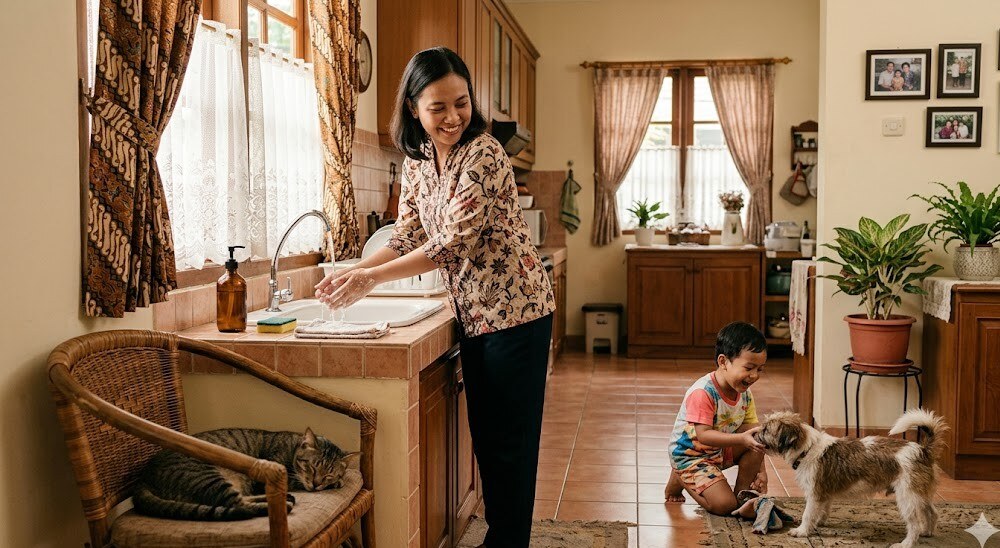

"We're going home to Padang for Eid soon. I have 2 cats, one 6-year-old Persian and one 3-year-old domestic. I'm torn between boarding them at a pet hotel in Pondok Indah or bringing them on the plane. I've read that good pet hotels are fine but stressful, and bringing them is also a hassle. Which is safer?" A classic dilemma for pet owners every mudik (the Eid homecoming travel in Indonesia), and there is no single answer that fits every situation. It depends on the length of the trip, the distance, the transport, the pet's medical condition, and each animal's stress tolerance.
This article is a practical guide for pet owners in Greater Jakarta who are planning their Eid homecoming: the considerations of boarding vs bringing, how to prepare for each option, the documents you need, and safety tips so that both you and your pet can enjoy Eid with peace of mind.
The Indonesian mudik context, why pets need extra consideration
The Eid homecoming (mudik Lebaran) in Indonesia has its own character that makes decisions for pets more complex than regular travel:
- Long duration, the average mudik lasts 7-14 days (collective leave + Eid + the return trip), with some families gone up to 3 weeks. This is not a weekend trip
- Distance from Jakarta to the regions, Padang, Medan, Surabaya, Yogyakarta, Solo, Makassar, Pontianak, averaging 1-3 hours by plane or 12-30 hours by car/train. Transport options vary widely
- April-June weather, a seasonal transition, sometimes still extreme rain in Greater Jakarta, hot in dry destinations (Lombok, Sumbawa)
- The atmosphere at the destination, an extended family home full of guests, the sound of firecrackers/fireworks, excited children, food left around, not an ideal environment for a pet used to a quiet home
- Vet service options at the destination, big cities have clinics, smaller towns/regencies are sometimes limited, and villages may have none
These factors mean travel decisions for pet owners must be considered well in advance, not 3 days before departure.
Option A: BOARD, 3 main options and their pros and cons
Choice 1: Professional pet hotel
A commercial boarding facility with dedicated kennels, feeding schedules, and sometimes grooming + basic medical care. In Greater Jakarta this option is common, especially in South Jakarta, Tangerang, and Bekasi.
Pros:
- Full facilities, clean kennels, ventilation, air conditioning, a regular feeding schedule
- Trained staff for handling, and most good pet hotels have a partnership with a vet clinic for emergencies
- If your pet is social, there is interaction with other animals (at pet hotels that run playgroups)
- Daily documentation is sometimes sent via WhatsApp (photos/videos), so you can relax
Cons:
- The stress of a new environment, this is the biggest con, especially for territorial cats and dogs. Some pets lose their appetite for the first 2-3 days
- Risk of disease transmission if the pet hotel is not strict at intake (not checking vaccines or parasites), kennel cough, ringworm, fleas
- Pet hotel quality varies enormously, cheap is not necessarily bad, and expensive is not automatically good. Researching the reputation is important
- Costs add up over a long duration, 14 days × the daily rate can be a large expense for multiple pets
Choice 2: Boarding with family or friends
Relying on family (who are not travelling), relatives, or close friends to keep your pet at their home.
Pros:
- The pet is familiar with the person, if it's a relative/friend the pet has often met, the stress is far lower
- Minimal or no cost, usually a gift or a simple thank-you is enough
- A residential home environment, if your pet has been to that relative's home before, it will adapt faster
- Direct communication via WhatsApp, photos on demand
Cons:
- Handling skills vary, family who have never kept a pet may not know how to trim nails, may not recognise early signs of illness, may not know which food is suitable
- Emotional liability, if something happens (a scratch, escaping outside, illness), the family relationship can become awkward
- Not consistent 24 hours, family have their own activities, and the pet is sometimes left alone for long stretches without monitoring
- If they have their own pet that does not get along with yours, territorial conflict
Choice 3: A pet sitter who comes to your home
The pet stays at your home, and a pet sitter comes on a schedule (1-2 times a day) or stays overnight. This is a growing option in Jakarta, several platforms now offer it, and many students or pet enthusiasts also take it as a side job.
Pros:
- The pet stays in its own environment, minimal stress, especially for very territorial cats
- Routine is maintained, feeding, litter box, toys, the usual sleeping spot
- No exposure to other animals, minimal infection risk
- If the sitter stays over, there is 24-hour monitoring
- The house is also watched, a security bonus
Cons:
- Finding a reliable sitter is the main challenge, references matter. Don't just pick from a random advert
- The cost is higher than a pet hotel if you use a professional sitter, especially for a long duration
- If the sitter does not stay over, there is a 12-18 hour gap between visits, a pet that needs medication every 8 hours is not suitable
- The trust factor, you are handing over the keys to your home to someone you may have just met
What to prepare if boarding (whatever the option)
No matter which option, there is a standard checklist you must prepare so that your pet's carer can do the job well and emergencies can be handled quickly:
1. Food and water
- A full food supply for the duration of the trip + a 3-day buffer, if you are late returning because of flooding/flight delays, there is still a reserve
- The specific brand + type with a clear label, DO NOT let the carer change brands abruptly (risk of gastrointestinal upset)
- The portion per session written down (e.g. "morning 50 grams dry food + evening 50 grams"), don't assume the carer knows
- Some pet sitters or family members are not used to wet food, if your pet eats a combination, clarify the schedule
- A dedicated bowl + airtight storage, so the food does not spoil
2. Medication and supplements
- If the pet has chronic medication (insulin, thyroid, heart), pre-portion each dose in a pill organiser, label the date
- Write out a concrete medication schedule (what time, dose, route of administration)
- Demonstrate how to give the medication if needed, some cats are hard to pill, some dogs need it hidden in a treat
- Stock for the duration of the trip + a 1-week buffer, an emergency pharmacy is not always easy to find outside Jakarta
- Supplements (joint care, omega-3), if important for a senior pet, include them with a schedule
3. Emergency medical contacts
A written form (on paper or digital on the carer's phone) containing:
- The name and contact of your regular veterinarian
- The nearest 24-hour clinic (based on the boarding location), address + phone number
- A backup clinic (if the primary one is closed)
- Written emergency authorisation, "If the pet needs emergency treatment and I cannot be reached within 2 hours, I authorise the carer to make medical decisions up to a limit of Rp [X]", many clinics will not treat without owner authorisation
- A photo of the owner's ID (for confirmation at the clinic), send it to the carer via WhatsApp
- A brief medical history, chronic conditions, drug allergies, last vaccination, last bloodwork results
4. Comfort items
- Bedding or a towel that carries the scent of home, DO NOT wash it before dropping it off. The familiar scent helps reduce stress
- A favourite toy, even if it seems trivial, this is a familiar anchor
- A pheromone diffuser (Feliway for cats, Adaptil for dogs) if the carer is willing to set it up, a significant help in reducing stress
- For cats, a litter box with the same litter brand as at home (changing brands = frequent protest)
5. Vaccine documentation
- The vaccine booklet or a photo of the last vaccines (rabies + core vaccines), the pet hotel will ask, and an emergency clinic will too
- Proof of the last deworming and parasite prevention
- The microchip number if there is one, important if the pet is lost and found by someone else
Option B: BRING, when it makes sense and preparation per type of transport
When bringing them makes more sense
- The pet is used to travelling (has been on a road trip before, does not panic in the carrier)
- The distance is relatively short (1-4 hours' drive) or a 1-2 hour flight
- The mudik is long (>2 weeks), weighing the cost of boarding vs the effort of bringing, if it's long, bringing is more economical
- Your destination is pet-supportive (a welcoming family home, with a safe space for the pet)
- The pet has a medical condition that needs routine monitoring (insulin, anti-seizure), safer with you
- A young pet still in a strong bonding phase with you
When bringing them is BEST avoided
- A senior pet with a compromised heart or respiratory condition, travel stress can trigger an episode
- Brachycephalic breeds (Pug, Bulldog, Persian), the risk of fatal heat stress in an aircraft cargo hold
- A pet that is very anxious or very aggressive in the carrier
- The destination is not pet-friendly (the family home won't accept it, noisy neighbours with children afraid of animals)
- A very short duration (3-5 days), the effort of bringing is not worth it
Preparing for a long car journey
A private car is the most flexible option, full control over pace, stops, and environment. But it needs serious preparation:
- A well-ventilated carrier is mandatory, DO NOT let the pet loose in the car. Even a normally calm dog can suddenly panic and attack the driver. A loose cat hiding under the dashboard = a nightmare
- A carrier large enough to stand, turn around, and lie down, not too cramped
- Carrier position: on the back seat with a seatbelt holding it, or on the floor of the back seat (more stable). DO NOT put it in the boot (poor ventilation + rising temperature + you can't monitor it)
- Pit stops every 2-3 hours, offer water (a folding bowl), a toilet opportunity for dogs (in a safe area, still leashed), and check their condition. Don't let cats out of the carrier at a rest area, risk of running
- Avoid stopping during the hot midday hours (10am-3pm), if you want a pit stop, find a rest area with shade. DO NOT leave the pet in a parked car even for 5 minutes (the interior temperature rises fatally)
- Keep the car AC stable, set it around 22-24°C, and if needed cover part of the carrier with a blanket to reduce visual stimuli
- Avoid a large meal 2-3 hours before departure, higher risk of motion sickness. Just give water + a small snack
- Anti motion sickness, if your pet is confirmed motion sick (excessive drooling, vomiting in the car), consult a vet about options such as maropitant or other medication. DO NOT give human medication (dramamine can be toxic depending on type and dose) and DO NOT use over-the-counter products without consultation
Preparing for a domestic flight
A plane is faster but comes with many rules + extra costs + a high stress risk:
- Check the airline's policy well in advance, policies vary between Garuda, Citilink, Lion Air, AirAsia, and Batik Air. Some do not accept animals in the cabin (cargo hold only), some limit carrier weight, some only accept certain types
- Cargo hold vs cabin, the cabin (in-cabin) is safer because you can monitor, but is usually only for small pets (<5-7 kg total with the carrier). Cargo hold = the pet in the lower compartment, where temperature and pressure are regulated but not ideal
- Brachycephalic breeds in the cargo hold = FATAL RISK, Pugs, Bulldogs, Persians, and Boston Terriers have a track record of heat stress deaths in the cargo hold. Some international airlines have already banned brachycephalic breeds from cargo. If you must bring a brachycephalic pet, the safe options are: the cabin (if the weight allows) or driving
- Health certificate, a health certificate from a vet within 7-14 days before the flight date (depending on the airline). It states the pet is fit to fly, vaccines are up to date, and it is free of contagious disease. Schedule the vet check 10-14 days before departure, not the day before
- IATA-standard crate, for the cargo hold, the crate must be IATA approved (adequate dimensions, strong material, ventilation on 3 sides, a secure lock). Some airlines rent them, some you buy
- Label the crate with the pet's name, your name, phone number, destination address, "LIVE ANIMAL" + the upright direction
- Avoid sedation before flying, sedation at altitude can cause cardiovascular issues. Many airlines refuse animals that appear sedated. If the pet is very anxious, consult a vet for alternatives safer than standard sedation
- Avoid food 4-6 hours before flying, with no water at take-off (it may be available in the cargo carrier, but a drip bottle is better than a bowl)
Tips at the mudik destination
- Provide a quiet room as a "safe zone", a room or corner the pet can retreat to when guests are around. With familiar bedding + a litter box (cats) + water
- Don't over-stimulate on the first day, give 24-48 hours to adapt before introducing the whole extended family
- Brief the family at the destination, who may handle the pet and who may not (small children careful of scratches), don't give human food without confirmation
- Firecrackers/fireworks from the day before Eid until 3 days after, some pets are very afraid of the sound. A room with background sound (TV, soft music) can mask some of it. A white noise machine or a fan helps
- Avoid large outdoor areas at an unfamiliar destination, risk of getting lost. Cats indoor-only at the destination, dogs still leashed even in the family yard
- Check the location of the nearest 24-hour vet clinic in the destination city before departure, save the number on your phone
Preparation BEFORE the day of travel (for both boarding and bringing, whatever the choice)
Some of these apply universally, regardless of whether you board or bring:
2-4 weeks before the trip
- Routine vet check, make sure the pet is fit. If there is a chronic condition, discuss with the vet how to manage it while you are away or during travel
- Update vaccines if any are due. Ideally vaccines are given 3-4 weeks before departure so immunity is established and any after-effects (if any) have resolved
- Parasite prevention, fleas, ticks, deworming. Some destination areas have a higher parasite prevalence than Jakarta
- Microchip + ID tag, if not yet done, this is the right time. The tag must include a phone number that is still active during the trip
- Updated photos of the pet, full body + close-up of the face + distinctive markings (moles, scars). For an emergency if lost
1 week before the trip
- Carrier training if the pet is not used to it, leave the carrier open at home with familiar bedding, put treats inside, gradual reinforcement
- A short trial run with the carrier (10-15 minute drive) if you plan to bring them by car, observe for motion sickness
- Confirm the pet hotel or pet sitter booking, go over the schedule details again
- Print or digitise all documents (health certificate, vaccine record, emergency contacts)
2-3 days before departure
- Stock food + water + litter for the duration of the trip + buffer
- Final briefing with the carer or a final review of travel documents
- Avoid excessive grooming/bathing right before travel, unnecessary added stress
FAQ on travelling with pets
What is the maximum safe time to board a cat at a pet hotel?
There is no absolute number, but for most cats, 7-10 days is the comfort zone. After 2 weeks, some cats start to show signs of chronic stress (weight loss, excessive hiding, persistent loss of appetite). If the trip is more than 2 weeks, an in-home pet sitter is usually better than a pet hotel for cats. Dogs are generally more adaptable, tolerating 14-21 days at a good pet hotel, but it still depends on the individual.
My pet is a senior, 11 years old, with heart disease. Is it better to board at a pet hotel or bring it on a 12-hour car journey?
It depends on the level of stability of the heart condition and the pet's tolerance for stress. Discuss with a vet, if the pet is stable on medication and has had no decompensation in the last 6 months, the option of boarding with pre-portioned medication + an in-home pet sitter (not a pet hotel) is often the safer choice. Bringing it on a 12-hour car journey with a compromised heart condition carries a serious risk of a cardiac episode, if you must, consider a pet ambulance or a journey with long breaks every 2 hours and a vet on call at the destination.
My cat has never been to a pet hotel. If I try it for the first time during a 10-day trip, is it safe?
The risk is higher than for a pet that has been before. If possible, do a 1-2 night trial at the target pet hotel 2-3 weeks before the trip, you can observe how the cat adapts. If the trial shows severe stress (refusing food, constant hiding), an in-home pet sitter is usually a better fit for a first-timer cat. For a senior cat or one with a medical condition, a first-time pet hotel stay of 10 days is usually not advised.
How do I find a reliable pet sitter in Jakarta?
A few approaches: (1) references from the pet owner community in your area (WhatsApp groups in Pondok Indah, Kemang, BSD usually have them), (2) a pet sitter platform that has verified identity + reviews, (3) a veterinary student or vet trainee (they have basic handling exposure). Whatever the source, do a trial visit 1-2 times before the trip where you monitor directly, observe how they handle the pet, the questions they ask (a reliable one always asks about medication, allergies, routine), and the rapport with your pet. Trust your gut feeling, if there are red flags (rushing, not touching the pet, not asking for details), look for someone else.
Can I bring my cat on an 8-hour car journey from Jakarta to Yogyakarta?
You can for a cat that is used to a carrier, but it needs serious preparation: a well-ventilated carrier with familiar bedding, stable AC, avoiding hot midday travel (a pre-dawn/morning or night schedule is more comfortable), pit stops every 2-3 hours (but the cat must NOT be let out of the carrier at a rest area, risk of running), and water offered via syringe or a small bowl when stopping. If the cat has never done a long trip, do a 1-2 hour trial drive 1-2 weeks beforehand. Some cats turn out to be tolerant, some are severely stressed, observe the individual. Brachycephalic cats (Persian, Exotic Shorthair) need extra care with ventilation and temperature.
What should I do if my pet suddenly falls ill at the mudik destination?
Quick steps: (1) check the condition, if there are emergency signs (collapse, difficulty breathing, seizures, bleeding), go straight to the destination's 24-hour clinic you noted beforehand, (2) if the symptoms are mild, contact your regular vet in Jakarta via WhatsApp for an initial consultation, many vets are willing to teleconsult for established patients with a clear history, (3) if a physical evaluation is needed, go to the nearest clinic at the destination bringing the pet's medical history + routine medications. A preventive tip: save the contacts of 2-3 clinics in the mudik area before departure, not while panicking.
Summary
Travelling with pets during Eid requires a decision that fits the pet's condition + distance + duration + transport:
- Boarding fits better for: a short trip (5-10 days), a pet stressed by travel, a stable medical condition with simple medication, or a distance too far to bring them
- Bringing them fits better for: a long trip (2+ weeks), a pet already used to travel, a medical condition needing monitoring, or a destination that welcomes pets
- 3 boarding options: a pet hotel (full facilities but the stress of a new environment), boarding with family (familiar but skills vary), an in-home pet sitter (minimal stress but find a reliable one)
- Boarding preparation: food + pre-portioned medication + emergency medical contacts + comfort items (bedding + toys) + an emergency authorisation form + vaccine documentation
- Car travel preparation: a carrier is mandatory, pit stops every 2-3 hours, avoid the hot midday, stable AC, never leave them in a parked car
- Air travel preparation: check the airline policy, a health certificate 7-14 days out, an IATA crate, brachycephalic breeds NOT in the cargo hold, avoid sedation
- Before the day of travel: a vet check 2-4 weeks out, update vaccines + parasite prevention, microchip + ID tag, updated photos, complete documents
- Whatever the choice, a senior pet + a compromised medical condition + brachycephalic = needs a vet consultation for a personalised plan
If you are torn between boarding or bringing and need a second opinion suited to your pet's condition, our initial consultation is free via WhatsApp, tell us your situation (trip duration, destination, the pet's condition, transport), and we'll help evaluate the safest option.
Read also: Pet Care Guide, Separation Anxiety in Dogs: Signs, Causes, and Solutions, Adopting a Kitten: New Owner Checklist, Cat Emergency Signs You Should Not Delay.
Medical references used in this article
This article was prepared with reference to the following sources:
- ASPCA Travel Safety Tips, pet travel preparation, carrier selection, behavioural acclimatization
- AVMA Traveling with Your Pet, air travel, road trip safety, health certificate requirements
- AAHA Canine and Feline Behavior Management Guidelines, stress reduction during travel and boarding
- IATA Live Animals Regulations (LAR), standard crates for air transport, brachycephalic considerations
- ISFM Feline-Friendly Boarding and Travel Guidelines, cat-specific stress mitigation
This article is general guidance for preparing to travel with pets during Eid. For senior pets, chronic medical conditions, or brachycephalic pets, consulting a veterinarian for a personalised travel or boarding plan is the right step.